
Author

DU Beat

Browsing

The 19th edition of the World Anthropology Congress was hosted by India after 45 years within the premises of Delhi University, denoting major developments in the field of Anthropology within the country.

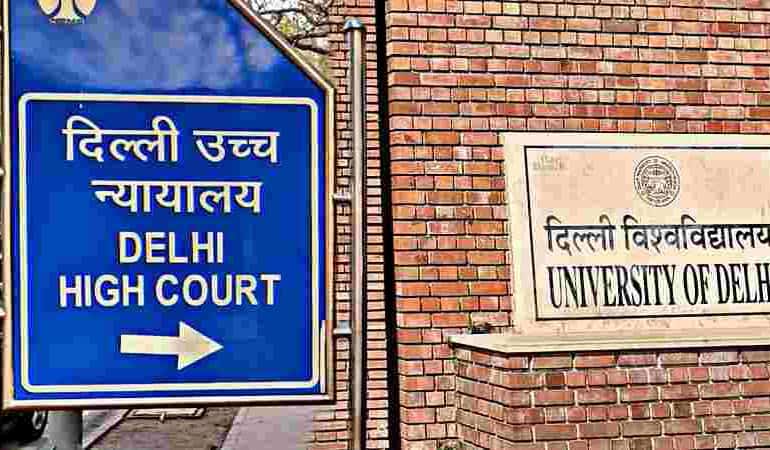
The University of Delhi was host to the 19th International Union of Anthropological and Ethnological Sciences (IUAES) World Anthropology Congress 2023 in India from October 14 to October 20. The country hosted this event after a span of 45 years.

Distinguished scholars from the field of Anthropology and other allied disciplines from 70 different countries graced the event. The congress is organised by the Indian Anthropological Association, in collaboration with the Ethnographic and Folk Culture Society of India, the Department of Anthropology, University of Hyderabad, and the Discipline of Anthropology, Indira Gandhi National Open University. The congress was hosted by the University of Delhi.

The inauguration ceremony of the conference was held on October 15, 2023. Junji Koizumi, President of IUAES, provided an overview of the history of IUAES, highlighting that the first Congress was held in London in 1934 and subsequently in various regions worldwide, including Asia, with India hosting the event in 1978.

The President also highlighted that IUAES had become more active through institutions and now returned to India at a significant moment in the intellectual development of Anthropology as a discipline.

The conference’s theme, “Marginalities, Uncertainties, and World Anthropologies: Enlivening Past and Envisioning Future,” seeks to critically examine historical marginalisations and hierarchies as well as how they have been perpetuated throughout the current crisis. It is also intended to spark new discussions and search for innovative solutions that will allow us to eliminate the previous disparities and inequities and create a brand-new world from the rubble. The plenary sessions and some of the special or distinguished talks took place in hybrid format, while the rest of the conference was hosted in physical mode.

The IUAES is a global association of researchers and organisations dedicated to anthropology and ethnology. It is also of importance to linguists, among other disciplines. It strives to improve trade and communication between academics from all corners of the globe in an endeavour to collectively advance human knowledge. The IUAES was established on August 23, 1948, but the foundations of The IUAES were laid much earlier.

The Congress shall feature various events, including 165 technical sessions, 10 plenary sessions, 160 panels, 15 round tables, 10 workshops, and the screening of 16 ethnographic films. The conference will also feature exhibitions from the Indira Gandhi National Centre for the Arts’ Janpad Sampda division, Rock Art division, and Indira Gandhi Rashtriya Manav Sangrahalaya. The conference aims to bring theory and practice together, promote global cooperation, and give academics and policymakers a forum for in-depth dialogue. Besides, the Congress also hosted Panel Proposals, Round Tables and Workshops to foster immersive research experiences and encourage debate and discourse.

Soumendra M, Patnaik, Conference Chair and the Head of the Department of Anthropology, DU, added that the fact that the event is being held on the Delhi University campus itself showcases the institution’s ‘advanced infrastructure’ and the ‘capability to host a conference of this magnitude’.

Read More: Faculty Displacement at IPCW: Impact on Students and Academic Integrity

Featured Image Credits: Careers360.com

Priyanka Mukherjee

[email protected]


As the much-awaited festive season fills the air with excitement and joy, we’ve got you covered with a thrilling and famous adventure – exploring Durga Puja in the capital city. Here’s how you can make the best of this celebration.

The festival of Navratri, coinciding with a long weekend, presents the perfect opportunity to immerse yourself in the vibrant atmosphere of Durga pandals across the city. Delhi offers a multitude of places to explore during this time, making it difficult to manage your schedule for the upcoming three to four days. The ambiance here is so distinct that it envelops you in an aura of auspiciousness. From the well-known ‘Mini Kolkata’ in CR Park to newer ones in Dwarka, Gurgaon, and Noida, the list is extensive. However, what is Navaratri without indulging in the tradition of visiting pandals?

When you step into one of the puja setups, you are welcomed by the resounding beat of dhols and other traditional instruments. The night sky is adorned with colourful lights, and the streets come alive with decorations of fresh marigolds and mango leaves. Small vendors sell balloons, masks, and toys that inevitably catch the eye of every child, while stalls are set up for jewellery, sarees, handcrafted gifts, and paintings – catering to the tastes of both artists and shoppers.

Puja celebrations are also a treat for your taste buds as there are multiple stalls offering a variety of delicacies, ranging from traditional Bengali snacks and sweets like mishti doi and khichdi to spicy chaat and tikki and other North Indian dishes.

The main highlight of these setups is the idols of the Goddess Durga and Kali, a sight reserved for once a year. The divine clay idols, adorned with intricate details, reflect both the feminine and masculine qualities of the Goddess. While her beautiful lotus-like eyes and long black hair exhibit her eternal beauty and gentleness, the weapons and chariot symbolize her courage and valour.

Beyond their religious significance and their role as sources of divine power and positivity, these idols are special because they reflect the hard work and creativity of skilled artisans, who begin preparing them months in advance. Various rituals are performed during Durga Puja, offering the perfect chance to students to experience the culture of  Navaratri celebrations. 

Once you’re convinced that this can be an exciting and distinctive activity, you can plan your days accordingly. Start by selecting a traditional or glamorous outfit that suits your style and wear comfortable footwear since there will be a lot of walking. Don’t forget to carry a water bottle! Make a list of the places you want to visit, note their opening hours, and plan your route for convenience.

Now, let me introduce you to the places you can visit during these five days, the Timarpur and Civil Lines Durga Puja Samiti. This Samiti has been organizing pandals since 1914, making it the city’s second-oldest setup after the Kashmere Gate Puja Samiti. In a conversation with the President of the organizing committee, Sukhangshu Chatterjee, we learned that during British rule, when the capital was shifted from Calcutta to Delhi, many government servants from Bengal migrated to Delhi. They brought with them the tradition of celebrating Durga Puja, a four-day festival from Maha Shashti to Maha Navami. Government employees living in the Timarpur area initiated Durga Puja celebrations, and now, this pandal is over 100 years old but still continues to keep the legacy of puja alive.

 To reach here, you can take the nearest metro to Vishwavidyalaya and then, take an e-rickshaw to Timarpur colony. The pandal is relatively small, with the Devi’s idol at the centre and a stage for cultural events on the left. There’s also an alley dedicated to food stalls. 

Over the years, the pandal has adapted to contemporary changes, featuring unique themes each season, to convey a message through the representation of the goddess. Maa Durga is worshipped with her four children: Kartikeya, Ganesha, Laxmi, and Saraswati. The clay image that represents all four children, along with Durga, is perched atop her vahana or carrier, the lion, with the slain asura, Mahishasura near her left foot.

This year’s theme represents the form of Mahishasura Mardini in the background, while the front structure portrays Durga and her children in simple attire, symbolizing her visit to her father’s home from the abode of Kailasha. Her human-like resemblance serves to highlight the presence of human emotions in the divine and the presence of god-like attributes in every human. Just as Durga can take on the form of Mahishasura Mardini when necessary to combat evil, humans too can overcome negativity around them. The message is to spread positivity and goodness, in times of conflict and cruelty.

 On a personal note, I found attending the Agamani ceremony, a celebration of the Goddess’s arrival, to be an incredibly uplifting and spiritual experience. The rhythmic beats of the dhol and the serene recitation of mantras created an atmosphere of anticipation as everyone eagerly awaited a glimpse of Maa Durga. Throughout these four days, there will be numerous such rituals which are not to be skipped amidst all the other fun activities. 

Timarpur Puja pandal will also host a wide variety of performances, from live orchestras and street plays to traditional dance forms, in an attempt to bring people together for this annual gathering. 

The doors are open to visitors from all communities, and the festivities are not restricted to the Bengali community. The organizing committee aims to include everyone while sharing their culture with them. During our conversations, we also discovered that many visitors were once residents of the Timarpur colony and have been returning to the place for over 50 years, even after moving to other parts of the city. It’s their dedication and devotion which makes the place special for them, as well as the visitors.  

Timarpur Puja is just one of the many places in Delhi with stories, memories, and traditions that are upheld by people as a part of their commitment to their culture.

CR Park, Minto Road Pandal, Arambgarh, and Safdarjung Enclave pandals are some of the other beautifully decorated pandals in the city that should be on your list as well. 

So, don’t wait any longer, and give your mood an instant lift with one of the season’s most exciting activities. Leave café-hopping aside for a while, as it’s time for pandal-hopping! Shubh Navaratri.

Read also https://dubeat.com/2014/10/04/durga-puja-city-djinns/

Image Credits – Google Images 

Priya Agrawal

The High Court (HC) ruled in favour of the petitioner and stated that the University could not unfairly reject admissions of deserving students because of the inconsistency in its own information bulletin.

In a recent ruling, the Delhi High Court called out the University of Delhi for arbitrarily cancelling a student’s enrollment. The case goes back to the previous term, 2022–23, when a student was denied admission to Kirori Mal College (KMC) in the B.A. Hons Geography programme offered by Delhi University (DU) on the grounds of “non-fulfilment of subject mapping criteria.”

Since last year, admissions to many central universities, including Delhi University (DU), have taken place through the Common University Entrance Test (CUET) (UG)-2022. The eligibility criteria require passing class XII from a recognised board and adhering to programme-specific requirements. In this case, the petitioner opted for English, Hindi, Geography/Geology, History, and Political Science, deviating from specific subject requirements for B.A. (Hons.) Geography.

However, the CUET allowed for flexibility if an individual Central University permitted it and The petitioner argued that, in the absence of ‘English Literature’ as a CUET subject, he opted for ‘History,’ which he considered the closest match to his prior studies. According to Clause 4 of the University’s information bulletin, the student was offered this flexibility.

After the results were announced, the petitioner was allotted a seat in the B.A. Hons Geography programme at Kirori Mal College on October 19, 2022. The seat was accepted by the student, but the University later cancelled his admission, citing “non-fulfilment of subject mapping criteria.”. This lead to a legal dispute.

The University of Delhi challenged the petitioner’s eligibility based on the subjects chosen in CUET. This case was previously presented to a single judge bench presided over by Justice Vikas Mahajan, who held that the University of Delhi had arbitrarily and incorrectly cancelled the petitioner’s seat without any of the petitioner’s fault and violated the terms and conditions outlined in the Bulletin of Information. He also noted that the petitioner was a deserving and meritorious student who had made it to the merit list in the first round of admissions.

The University of Delhi was ordered to admit the petitioner into the B.A. (Hons.) Geography programme at the same institution in the academic year 2023-2024 due to the conclusion of the admission procedure for the previous year.

The single judge’s decision ordering the University to accept the student into the B.A. (Hons.) Geography programme for the academic year 2023–2024 was challenged by DU in a Letters Patent Appeal (LPA) and hence presented to the High Court.

Delhi University was represented by attorneys Mohinder J.S. Rupal, Hardik Rupal, and Sachpreet Kaur, while the respondent student was represented by advocates A. Velan, Navpreet Kaur, Nishant Bishnoi, and Mritunjay Pathak.

The appeal was to reverse the previous judgement because, as per the guidelines, the student was required to give the admission test again to get enrolled for the academic year 2023-2024. The appellant also argued that the ‘DU Exception’ did not apply in this case, and hence the judge cannot link ‘English Literature’ and ‘History’ as similar.

The key concerns of the court were to explore and understand the university guidelines and check whether ‘History’ could be replaced with ‘English literature’ or not. Secondly, the bench considered whether the student could actually be admitted to the term 2023–24 based on the previous judgement.

The court observed that although CUET required students to align with subjects that they took in class XIIth Examination, Clause 4 of the information bulletin permits the students to choose a subject that mirrors their preference in XIIth Board and resembles the programme they wish to pursue further, hence offering a deviation. In this situation, the student had rightly used ‘DU Exception’ with no fault of his own since the university had not released clearer instructions regarding the same. The whole injustice was caused by the ‘narrow interpretation’ of the guidelines.

The University’s denial of admission was hence unreasonable, according to the court, which also determined that the student had properly used the DU Exception. It brought to light the ambiguous criteria for using the DU Exception and the University’s constrained interpretation of its own guidelines.

Delhi University has failed to provide a cogent rationale regarding the perceived dissimilarity between ‘English Literature’ and ‘History’ and overlooked the very essence of the DU Exception. Notably, the University has neither delineated guidelines nor disseminated instructions that clarify the parameters of the DU Exception, such as defining the extent of “similarity” or “closeness” between subjects.

– Read the observations by the bench.

Regarding the second matter of reviewing the single judge’s decision to provide relief to the petitioner, the court referred to the judgement of the Hon‘ble Supreme Court of India in the case of S. Krishna Sradha v. State of Andhra Pradesh, (2020) 17 SCC 465. According to the guidelines of this landmark ruling, if a ‘meritorious’ student has been denied admission on arbitrary grounds or the breach of rules, affecting his or her rights, and has approached the court on time without any delay, he or she should be granted justice to not limit their academic journey. If he or she cannot be provided relief of admission in the present year, the court can direct such admission to the next academic year.

The bench thus favoured the student and mentioned,

The student cannot be held accountable for any delay or negligence. Being an exemplary candidate, he has been unfairly deprived of his admission due to the capricious and unwarranted decisions of the Appellant University.

The Court emphasised the importance of upholding the ideals of fairness, inclusion, and clarity in educational institutions, particularly those with the status of Delhi University. It criticised the absence of clear guidelines for applying the DU Exception, stating that this ambiguity not only leaves students in a state of uncertainty but also makes it difficult to foster clarity in rules and their uniform implementation.

Read also: Shockingly Low Admissions for New B.Tech. Courses at DU

Featured Image Credits: Google Images

Priya Agrawal
[email protected]

Harper Lee’s magnum opus is perhaps one of the most widely read books today. However, it often finds itself under scrutiny for some of its themes.

To Kill a Mockingbird is a novel that everyone has either read or feigned familiarity with. Originally anticipated to achieve only modest sales, the book is recognised today as a timeless classic. The seemingly uneventful plot and the deliberate, unhurried pacing are common points of criticism. However, it can be argued that these very attributes are the source of its strength.

The novel is narrated in the first person by our narrator, Scout Finch, a little girl from the 1930s American South. Along with her brother, she takes us through the mundane life in her small town, which gradually reveals an atmosphere of gender and racial prejudice, reflecting the prevailing attitudes of that time. The story follows the experiences of these siblings and their friend as they gradually learn about the social norms and values of society. The racist and sexist ideologies of the time are depicted through various supporting characters, who are portrayed realistically as one would imagine for that time in America.


Scout is a spirited young girl who doesn’t just accept what she sees or hears from the town folk and constantly demands explanations from her father, Atticus Finch. Atticus, hailed as the novel’s hero, is a very virtuous man who embodies unwavering moral integrity. He consistently imparts wisdom to his children on delicate subjects instead of avoiding the challenge like other adults would. Young Scout, often oblivious and unaware, serves as the perfect receptacle for Atticus’s guidance. Atticus is a lawyer representing a black man falsely accused of rape. He does so in the face of judgement from both his family and the townspeople, who, during a period when the word of a black man held little sway over that of a white person, questioned his beliefs.

Through the trial that follows, the kids gain insight into the deeply ingrained prejudices of their society. They come to realise that the seemingly straightforward act of kindness and standing up for what’s right is, in reality, a complicated endeavor. Watching the story unfold from the perspective of a little child who doesn’t get why some people are treated differently leaves the reader with a deeper understanding of the absurdity of it all. The novel, through its simple and often amusing writing, leaves one thinking about the power of kindness, compassion, and the pursuit of justice.

The book is undeniably a literary classic but often finds itself under scrutiny in the educational landscape due to its use of racial slurs and the sensitive topic of rape. While the novel does employ racial slurs liberally, it is important to remember that it’s set in a specific historical context where the use of certain words was unfortunately prevalent. Moreover, the novel’s portrayal of the subject of rape is remarkably subtle, with no sensationalism. This approach has made it easier for the reader to better explore the broader themes of innocence, morality, and injustice.

‘To Kill a Mockingbird’ retains its relevance as it continues to convey the fundamental message that being a compassionate human being matters. And, given the world’s circumstances today, that is a lesson humanity should never grow tired of appreciating and practicing.

Read also: The Lesser Known History of Majnu Ka Tilla 

Featured image source: Bookstr

Arshiya Pathania
[email protected]

TW// Harassment

You must have heard lately about serious cases of harassment in a few DU societies. College officials took action by banning members and even societies. While DU takes pride in providing a ragging-free campus or in taking swift, decisive measures to stop ragging, what often goes unnoticed is the casual harassment perpetrated in the name of “fun” that has turned into a “trend” among college societies.

The dancing society at Sri Aurobindo College was recently banned after some juniors complained about alleged physical and verbal harassment by the society’s president and ex-president. A similar incident occurred at the FilmSoc of Sri Venkateswara College. The college administration implemented rigorous measures in response; these incidents called the campus’s safety into doubt. While the Vice-Chancellor proudly assured the newly admitted batch of a ragging-free campus, what frequently goes unnoticed is the casual harassment that occurs under the pretence of “fun,” especially during society recruitments. 

DU takes pride in providing a ragging-free campus and strict disciplinary action against perpetrators. However, one of the most significant gaps in this “ragging-free campus” is how individuals perceive or understand “ragging.” Most people consider ragging to be a serious form of harassment, but what people need to recognise is the major problem of casual harassment, which is frequently carried out under the guise of “fun” and is becoming a trend in DU societies, particularly corporate societies.

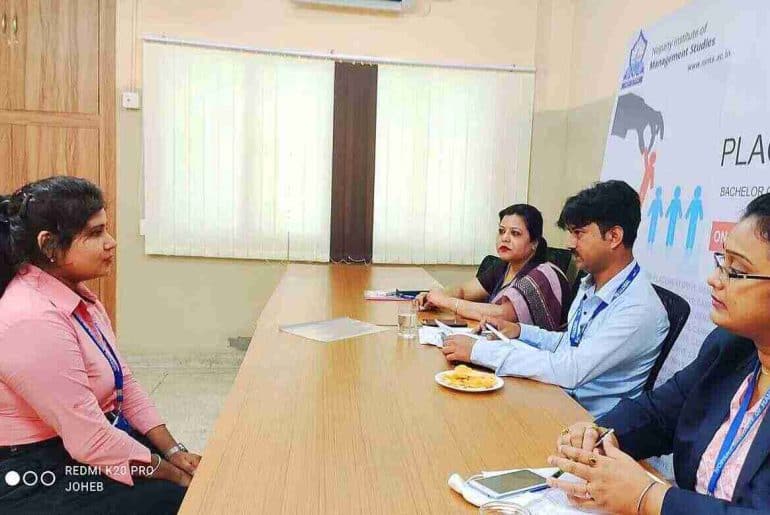
One of the worst examples of this may be found during recruiting interviews for college societies. Most of these societies hire new members following a series of stages of selection and sorting that include form completion, tasks, and interviews. All of these things are largely carried out by core members of these societies. Interviews are an important phase in the recruitment process. These interviews serve as a breeding ground for such harassment.

I was asked to propose a flower vase during the interview.

-A first-year student at Kirori Mal College

Freshers are asked to dance, sing, propose to one another, to a senior, or to any random object during interviews by seniors. Freshers are required to perform this while being secretly recorded. The majority of these “tasks” have little to do with the skills necessary to be part of such societies. This is a recent trend that has emerged in college societies, particularly in corporate societies, where seniors engage in such behaviours intentionally or unintentionally. The majority of those involved in these activities believe it’s “mazak” (joke) and should not be taken seriously. They advise that juniors see this as a joke because it is “a way of bonding.”

 My friend, who is a core member of a society, showed me videos of them asking juniors to dance or propose to each other. She was laughing and pointing out how they made juniors do these tasks for interviews while they were being recorded. I asked her if they asked the juniors’ permission before recording. She replied,- ‘arre mazak mai kiya ye sab’. When I explained to her that this was wrong, she understood the mistake she had made.

– A third-year student

What they fail to understand is that this isn’t something that everyone is comfortable with. For juniors, mocking them, filming them, and circulating these videos without their permission can be traumatising. This type of ignorance comes with a certain level of privilege. Many DU students come from small towns and villages. It is not an easy road to DU, especially for female students. Most of these students lack the precise skill set that college societies want, but they join to learn and gain experience. Mocking and filming them could drive out these students from such settings, causing serious problems, particularly for female students. 

Because of safety concerns, most parents from smaller towns and villages do not send their daughters to DU, and discovering videos of their daughter being posted on random groups might result in them being refused access to offline campuses. For these reasons, these students are compelled to remain silent and tolerate the humiliation.

Not only that, but in certain college societies, especially film societies, “romantic or sexual relationships” are used as a deciding factor for position. Since the old core members determine the new core members in most societies, a member’s romantic or sexual contact with old core members determines whether or not they will be elevated to core positions.

All of these events or incidents are hidden from administration since most individuals do not consider them to be problematic. As a result of the seniors’ lack of understanding and awareness, college societies are becoming increasingly toxic and unsafe. These aspects also contribute to the segregation of students, with only “privileged” students dominating the majority of these areas. While awareness is crucial among seniors, it is also the responsibility of administration to look into safety issues in societies and educate juniors about these issues during orientation.

Read Also: Unveiling the Culture of Toxicity in SVC’s FilmSoc

Featured Image Credits: Nopany Institute of Management Studies

Dhruv Bhati
[email protected]

Sri Aurobindo College’s Dance Crew ‘Crunk’ was banned a few days back by the college, bringing to light several instances of harassment and abuse perpetrated by certain members, adding to the list of toxic cultural societies within DU.

Trigger Warning: Physical Abuse, Harassment and Image of Bruises

‘Crunk’, Sri Aurobindo College’s Dance Crew, one of the most reputed societies within the Delhi Dance Circuit (DDC) was disbanded by the college recently, following the suspension of the current president, Harsh Sharma, and PR head, Srishti Arora due to several incidents of physical and mental abuse and harassment, propelled by one of the present-choreographers, Divyansh Tripathy, a recent-graduate of Aurobindo College.

Speaking to DU Beat, Mitali Goyal, a student at Aurobindo College, former Vice-President of Crunk, and a victim of the shocking incidents that occurred within the society, recounts her journey through Crunk:

 “I joined Crunk in my first year in 2021 when Divyansh Tripathy was the President. Things went quite smoothly as there were some choreographers above him in the society who held power. However, during my second year, 2022-23, things had changed. Divyansh had passed out then but was coming to give guidance to the crew. From January 2023 onwards, Divyansh would hit us brutally with thick wooden sticks we used for our performance, every time we made mistakes. Many of us developed bruises and when we spoke against it, he would initially excuse it with ‘it’ll make you stronger’ or ‘this is how things have been happening in this society’.”

As time unfolded, the physical abuse became more intense with crew members- second years as well as freshers- being hit for the smallest of mistakes like coming back late from their breaks or asking for a day of leave from practice. And all this was done under the illusion of ‘maintaining the top-track record of Crunk within DDC’. While students raised their voices against Divyansh Tripathy, they continually received threats of being removed from the crew, something they could not afford considering Crunk to be one of the top-reputed dance crews in Delhi.

 “Juniors who talked to Divyansh about leaving the society received threats like ‘if you leave this society, I’ll make sure you leave the college as well’ or ‘if I ever see you at Chhatarpur metro station, you will face consequences’” –      adds Mitali to the horrifying incidents brewing within Crunk

The role of teacher convenors within DU also plays a massive role in this incident. Teacher convenors at Crunk were also not supportive of appointing Divyansh Tripathy as the choreographer at Crunk. While they were unaware of his acts of physical and mental abuse, they were aversive of his behavior of frequently, ‘shouting and creating nuisance within the college.’

Mitali goes on to add that,

“Initially when the beating wasn’t so bad, we as a crew tried to protect Divyansh a lot from the convenors so that he could come and guide the team. But the situation got worse, girls were slapped if the color of their jeans was slightly different from the one that was required at the performance. He would beat up the crew with those wooden sticks at fests as well, injuring their feet and hands. After the performance was over, he would send a sweet apology message to excuse his behavior. I had had enough and left the society in March 2023 and complained to the teacher convenor about Divyansh and the society was eventually banned a few days ago.”

As the 2022-23 session wrapped up in May 2023, Harsh Sharma, a batchmate of Mitali was elected as the President of Crunk for the 2023-24 tenure. Besides Harsh, Srishti Arora another batchmate was elected as the PR Head. However, despite his record, both heads decided upon re-appointing Divyansh as the choreographer of Crunk.

“Recently, many freshers out of Crunk had spoken up against Divyansh forcefully flirting with the juniors despite them being uncomfortable about it. To put a stop to all of this, we went up to the principal to file an FIR and we complained of physical and verbal abuse against him with all the witnesses. We filed a FIR against Divyansh at Malviya Nagar Police Station.” –      Mitali adds to the series of events


Members within Crunk also raised concerns about suspending Harsh Sharma and Srishti Arora for continually associating Crunk with Divyansh Tripathy despite numerous backlashes. However, while Crunk has been disbanded from the college, Harsh and Srishti have not yet been officially suspended but their entry has been banned from college. Concluding the conversation, Mitali says that,


“The worst part about all of this was the fact that despite having the power to stop Divyansh from perpetrating his horrible behavior upon the fresh batch of juniors as well, Harsh and Srishti did not take any measures but encouraged all of this.”

With several conversations creeping

 up about the toxic cultural societies within DU, it is relevant to note how students are forced into this narrative of productivity at the cost of self-degradation under the fake illusion of fame and repute in society. While societies are the spine of DU life, getting too consumed with the ideology of fame and credit can take a toll on one’s college experiences, perpetuating unhealthy spaces within the campus, like Crunk.

Read Also: Unveiling the ‘Culture of Toxicity’ in SVC’s FilmSoc

Featured Image Credits:

  • Crunk 1: cover picture, Credits: Facebook Account of Crunk
  • Crunk 2: Caption: Bruises Developed by Crunk Members For Being Physically Abused with Wooden Sticks by the Choreographer, Divyansh Tripathy, Credits: Mitali Goyal (Former Member of Crunk)


Priyanka Mukherjee

[email protected]


One of the most popular hangout spots that DU students as well as Delhites love is Majnu Ka Tilla. This piece is an attempt to trace the lesser known history of such a place. 

Majnu Ka Tila has been loved for it’s delicious Tibetan food, some of the specialties being Laphing and Thukpa. The colony has numerous Buddhist monasteries and in a way is a photogenic place. Posing with the prayer wheels is one of the many loved ways one likes to be clicked. Every knows about it for its beautiful Tibetan vibe along with narrow lanes that actually does feel like only a home away from home.

As a street photographer, Majnu Ka Tila is one of the most interesting places to shoot your heart out. Dogs, old ladies, children, everything that exists in the place is something that creates a core memory once you go and capture it.

But this article isn’t a description about Majnu Ka Tila, it’s about the very sanctity that this place has developed over the years– it’s origins. Most of us haven’t even heard of the Majnu Ka Tila Gurudwara. We just go to Majnu Ka Tilla to rewind and relax in the Tibetan Culture that creates a whole different vibe. I personally, am on a look out for hidden or lesser known places, especially since I have come to Delhi and I couldn’t have been happier to find out that traces of Sikhism can be found at this place.

Majnu Ka Tilla literally translates to hillock of Majnu. The name comes after a local Iranian Sufi mystic Abdulla, nick named Majnu met Guru Nanak Dev ji, the first of the ten Sikh Gurus in 1505 during the reign of Sikander Lodhi. The Iranian sufi had come to this mound and made a small hut to spread the word of
God. Impressed by the devotional praise of Shri Guru Nanak, the Sufi followed in the same footsteps and it has been recorded that on 20th July 1505 AD, Guru Nanak Dev ji gave darshan (appeared in a vision) to the Faquir at Amrit Vela. Guru Nanak stayed at this place and on the last day of his stay, he granted a boon to Majnu, the faquir that the place will be famous with his name and his name will remain till the living world.

But the story doesn’t end here. In 1621 AD, Sri Guru Hargobind Sahib ji, the sixth Sikh Guru of the Sikh order, had placed his sacred feet at the same place during the reign of the Mughal emperor Jahangir. Jahangir had ordered the imprisonment of the Guru in Gwalior fort but when he saw the amount of love and devotion the Sangat of Delhi had for the Guru, and on the advice of Sai Miya Mir and other scholars, the Guru and 52 other kings were released. Majnu Ka Tilla was the place where the kings got their rightful kingdoms back.

In later history, Sikh military leader  Baghel Singh Dhaliwal  built the Majnu ka Tila  Gurudwara  to commemorate the stay of both Guru Nanak Dev ji and Guru Har Gobind in 1783. Today it is one of oldest existing Sikh shrines in Delhi and the surrounding estate was donated by early 19th-century Sikh emperor,  Ranjit Singh .

Isn’t it powerful? To realize that one place, that is famous for its present day cafes and picturesque aura, has actually a deep rooted history? The kind of history that should be known to people but we as youngsters often forget to ignite that curiosity. The curiosity to know about a place that holds a strong and a divine aura. Well, Majnu Ka Tilla is the all in one place that has observed so many historic events allowing us to understand the collectivistic cultural and religious identities one place carries. And therefore, this celebrated place has left an imprint on our minds when we speak about a subject like secularism. The place has revered different religions together and becomes a vision for the citizens of India.

Image Credits: tripadvisor.in
Read Also: DUB Travels: Majnu Ka Tilla

Aanya Mehta
[email protected]

Days after a fire broke out in a PG at Mukherjee Nagar, leaving 35 lives in danger, the question arises: are the PGs following the normative procedure of establishing such an institution for living?

Following the massive fire breakout in a PG at Mukherjee Nagar, a senior municipal official was put to the task of conducting a survey to determine whether the PGs were following the correct procedure to be established. A door-to-door survey was conducted and revealed that 104 PG units have been earmarked. The buildings are operating in violation of building bylaws, the survey concluded.

The officials from civic bodies said that notices are being served to 104 PG units for alleged violations of laws. The notices have been issued to the owners, asking why the premises must not be sealed.

After the four-day survey concluded, the official remarked in conversation with Hindustan Times,

We have photographed these units. If a satisfactory answer is not provided to the show cause notice, it will be followed by a sealing drive.

It has been noted that the MCD is focusing on PG accommodations operating in buildings that are more than 9 metres tall and have more than 20 people staying in them. Hindustan Times noted that the higher authorities from MCD are focusing on these accommodations, particularly those that are more than 9 metres in height and have an occupancy of more than 20 people.

Interestingly, the fire broke out at the PG a day after a sealing drive for 20 coaching centres was conducted in the same area after a fire broke out in June.

The official further added,

According to the Master Plan of Delhi regulations and Unified Building Byelaws that came into effect after 2007, such units with more than 20 students and above 9m buildings cannot operate without a fire NOC. Only one unit was found operating with fire NOC issued by the Delhi Fire Services (DFS). We will also submit these findings in our action-taken report on the coaching centre fire safety case.

It is expected that the Delhi High Court shall hear the matter related to the fire safety for coaching centres and the consequent actions taken by the higher authorities of the civic body on October 10.

After the thorough investigation was completed, the MCD officials added that so far, most of the PG’s out of the 44 have been sealed since they are operating in the basement and mezzanine floors. Such activity is strictly prohibited in the basement area since it is a clear fire hazard. 24 out of these 44 units were coaching centres, while the rest were spaces like libraries and reading rooms. A second official associated with the drive commented,

We have also issued notices to units running on the first to the third floor and a hearing has been sought by them. We will have to wait for them to present their documents.

However, according to the Hindustan Times, the owners of such accommodations and coaching centres have shown their frustration as no clear regulations have been defined for them.

Coaching institutes were allowed to operate in commercial areas, mixed land areas, and residential areas by being included in ‘Other Activities’ Section 15.7 of the MPD 2021 subject to following the norms of ROW of road. The amendment regarding 20 people in one unit and the need for fire NOC was unjustly added in 2020 whereby coaching centres with 20 or more people were clubbed under the category of ‘educational building.

– Keshav Aggarwal, President, Educators’ Society, a union of coaching centres.

He further remarked that the clubbing had been done in a hurry, and the stringent regulations under the educational building were a consequence of the same.

But in such cases, there are too many grey areas, and the MCD needs to formulate fire safety policies. Indeed, such precautionary measures are crucial for the safety of an area, whether its residential or commercial in nature.

Read Also: Dead Cockroaches to Lizards: Hindu College’s Canteen Has It All!

Featured Image Source: Magzter.com

Aanya Mehta
[email protected]

The following piece may be upsetting for some readers. Trigger warning: transgression of consent, invasion of privacy, harassment.

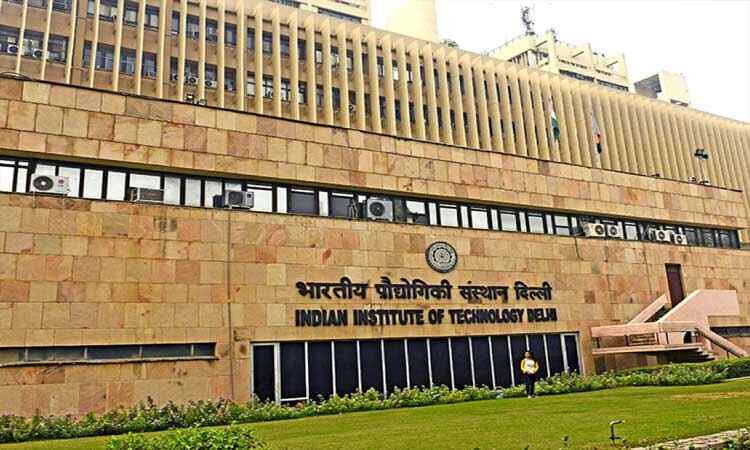
Students from Bharati College of Delhi University reported a distressing incident that unfolded on the college premises on the second day of Rendezvous, the fest at IIT Delhi.

On October 6, during the cultural festival of Indian Institute of Technology Delhi, ‘RendezvousX’, students of Bharati College reported an unfortunate incident of an alleged breach of their privacy through unconsented videography on the college premises. Team Elantré, the fashion society of Bharati College, participated in a fashion show competition hosted by IIT Delhi, where several members of the team reported observing a mobile phone seemingly filming them through the window shafts while changing costumes in the campus washrooms. The victims, through a statement on the society’s official social media, claim to have promptly brought this incident to the attention of the student incharges responsible for the event’s organisation, who are alleged to have reacted nonchalantly to their concerns. The incharges reportedly shifted the blame onto the victims, asserting that they should have used the designated green rooms for costume changes instead of the washrooms.

The team, through their official Instagram page, claimed to have received a dismissive reaction from the organizing members.
Source: @elantre on Instagram

In response to the victims’ complaints, the organising members eventually informed them that the issue had been forwarded to the college authorities for further investigation. However, a significant concern arose when it reportedly took approximately 2 hours for the alleged perpetrator to be located, despite the availability of CCTV footage. Nearly 3 hours later, the alleged housekeeping staff was identified, but he claimed to have deleted any evidence from the phone in question, citing panic as the reason. Notably, the victims discovered that the phone in his possession was not the same one they had witnessed.

An individual, who claimed to have accompanied the team as a makeup artist, asserted that the concerned authorities assured them that gates had been locked and jammers were in action, after which they were shown CCTV footage of a person entering the aisle beside the washrooms.

Everyone was in shock, especially some of the girls who had already changed before. The authorities were trying to shush us and kept assuring us that they would catch the culprit.

The Organising Committee of Rendezvous, through their Instagram handle, clarified that immediately after the incident was brought to the attention of the volunteers, the Lecture Hall Complex (the location of the event) was shut down to restrict any movement. Additionally, they stated that security is being tightened to prevent any such unfortunate incidents.

As soon as the perpetrator was identified, he was promptly handed over to the campus security and further to the Jia Sarai police station. We are assisting the victims and their families in further police proceedings as best as we can. We strongly condemn the perpetrator and have zero tolerance for such actions.

– read the team’s statement

The fest organizers issued a statement in solidarity of the victims.
Source : @rendezvous.iitd

While the Rendezvous team page asserted that the competition was called off after consultation with the victim and their team, Team Elantré stated that despite the incident, the college continued their event.

Law-enforcement officials at the IIT-D campus.
Source: @elantre , the official page of the fashion society of Bharati College

The victims have filed an FIR (First Information Report) with the appropriate authorities, seeking a thorough investigation. The members of Team Elantre, along with their parents, protested for nearly 6 hours in the college but claim to have received no further updates from the institution.

Read also: The Invasion of IPCW: A Student’s Account

Featured Image Credits: Policenama

Manvi Goel
[email protected]

From small-business owners to regular students and teachers, the diverse Delhi diaspora is split on opinions related to the G20 ‘Lockdown’.

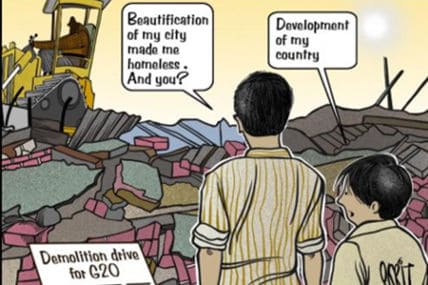
While newspaper, TV, and social media headlines have branded the G20 Summit in Delhi a “huge success” for India and the Modi government, the story of Delhi says quite the contrary. With universities, offices, and other institutions shut down for a 5-day period while we were solving problems at the global level within the sanctum of ‘Bharat Mandapam’, the city of Delhi had come to a standstill, claiming several victims of this global show of power.

The University of Delhi was shut down for a period of five days, from October 6th to October 10th, 2023, on the occasion of the G20 summit. In conversation with several students regarding this frequent shutting down of the university on several occasions, an ‘apolitical diaspora’ of students reacted with, “We were more than happy to get such a long weekend.” However, another section of students also say that these continuous holidays ‘hamper their academic schedules’ considering the already shortened semesters—thanks to the newly introduced Four-Year-Undergraduate Program (FYUP)—due to which both teachers and students struggle to catch up with the course syllabus later.

In conversation with an assistant professor from the University of Delhi, quite a different perspective can be gauged.

India taking over the G20 Presidency is a matter of pride for every Indian. Closure of educational institutions in the capital for the preparation of G20 Summit may have caused a little inconvenience to some but it was a great opportunity for India as it was attended by world leaders. In such a situation, teachers usually give students assignments, readings or activities that can be done during the break and then plan catch up/review sessions. Teachers always put in that extra effort to work towards the welfare of the students’ community.

Contrary to this, another assistant professor claims the following,

 The dispersal of classes a few days before the actual event (G20 Summit) was wholly unnecessary. The lockdown in general felt excessive, we’ve held such events before, and telling citizens not to step out was very inconvenient. The blocking of roads for instance caused unnecessary stress. DU is anyway suffering because of NEP, in terms of truncated syllabi and less number of lectures, and on top of that such unscheduled holidays make a mockery of education.

A simple stroll through Purani Dilli during the G20 weekend brought us into contact with several daily-wage workers like rickshaw-pullers who mentioned,

The road blocking has caused us to take longer routes that take much more time than usual. In order to get to Nizamuddin from Chandni Chowk, one has to make a detour through Mandi House which can take nearly an hour. Because of the lockdown, customers are few and we compensate by charging extra for the longer route from the handful of customers.

While green curtains and G20 banners veiled the tragic truth of the Delhi diaspora, stray dogs, local shops, and even sex workers were ‘hidden from sight’. On this note, a DU student residing near Vasant Vihar claimed that,

I’ve noticed several sex workers near Munirka who usually do their business under the Munirka flyover. However, 2-3 days before G20, ITBP soldiers were seen clearing the area who hauled all the 10-12 sex-workers into their jeeps and they were never seen since then.

A sanitation worker and caretaker at one of the reputed student PGs, Stanza Living, had the following to share,

The army stationed at every corner of the road put too many restrictions for me to reach my workplace. They would ask me, “Kaha jaa rahe ho? ID dikhao” (Where are you going? Show me your ID) at every 10-minute interval. Mai kya inke liye kaam na karke ghar pe baithi rahu? (Should I stop working for their sake and rather sit at home?)

While heartbreaking videos regarding stray dogs being violently dragged to unknown hiding places have made the rounds on the internet, the irony lies in the fact that such a large-scale global event aimed at solving global issues was conducted while millions were suffering at home. Local shops being covered with G20 banners caused a drop in the incomes of those business owners, while several daily-wage workers suffered economically too, thanks to the lockdown.

With massive investments of nearly 4000 crores being made towards the G20 for ‘Delhi Beautification’ and the ‘Bharat’ renaming rumours doing the rounds, which could cost an additional 14,000 crores, the scary question then arises: how long will this government turn a blind eye to the sufferers at home? How many more victims will this ‘unchecked’ power claim before the actual ‘achche-din’? What does the G20 bring in return for all these ‘hidden’ victims?  Will it all be worth it after all?

Read Also: The Green Curtains of G20: Solution to All of Bharat’s Woes

Featured Image Credits: Down To Earth