Following a protest by ABVP representatives on October 6ᵗʰ, Delhi University reopened the migration window from October 7ᵗʰ to 9ᵗʰ.
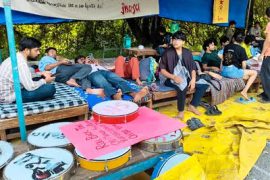
On October 6ᵗʰ, ABVP representatives led a protest outside the Delhi University Registrar’s office demanding an extension in the Migration Form. Following this, the university administration reopened the migration window for three days, from October 7ᵗʰ to 9ᵗʰ.
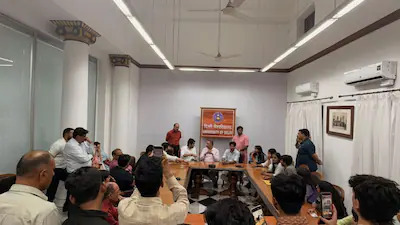
The demand to reopen the migration window came as university students complained that the delay of results had left several students unable to fill the form within the prescribed period. ABVP-supported representatives had consistently been seeking an extension of the deadline and had repeatedly raised the issues with the Dean of Student’s Welfare and the university administration. The issue finally received a response after the protest on October 6.
The official Delhi University notice read, “The date for Inter-College Migration for the academic session 2026–2027 is extended from October 7ᵗʰ, 2026, to October 9ᵗʰ, 2026, subject to the condition that migration is allowed only in the III Semester and only when the results of both the I and II Semesters have been declared, in accordance with the provisions of Ordinance-IV of the Ordinances of the varsity.
Yash Dabbas, President of Delhi University, said, “The union has consistently raised students’ concerns before the university administration. After the migration deadline expired, a large number of students were unable to complete the process, causing them significant difficulty. Keeping this issue in view, we had demanded that the administration reopen the migration window and provide additional time to students.”
Further, ABVP Delhi Secretary Sarthak Sharma also joined the protest and stated, “ABVP has consistently worked for the interests and rights of students. The demand to reopen the migration window was also raised repeatedly before the university administration in view of the genuine difficulties being faced by students.”
The decision was hailed by ABVP as an important step in the interest of students. The decision is especially relevant for eligible students who could not submit their migration applications under the previous deadline due to delays in the declaration of results. ABVP Delhi secretary and Delhi University president said the organisation would continue to raise students’ concerns before the university administration.
Image Source: NDTV
Read Also: Fire Breaks Out at the DUSU Office in North Campus
Sahaj J
[email protected]