The DCAC portal was reportedly compromised through an SEO poisoning attack with malicious links still visible on search engines and no official statement issued by the college.
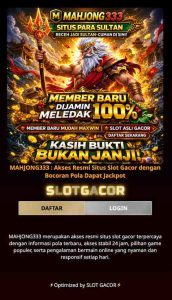
The official website of Delhi College of Arts and Commerce (DCAC) affiliated with Delhi University, was allegedly targeted in a cyberattack on 3 May 2026. The attack reportedly involved “SEO poisoning”, leading users accessing the site via search engines to encounter misleading metadata and redirections linked to an Indonesian gambling platform “MAHJONG333”. At the time of reporting, the effects of the attack remained visible, with compromised search results still appearing online.
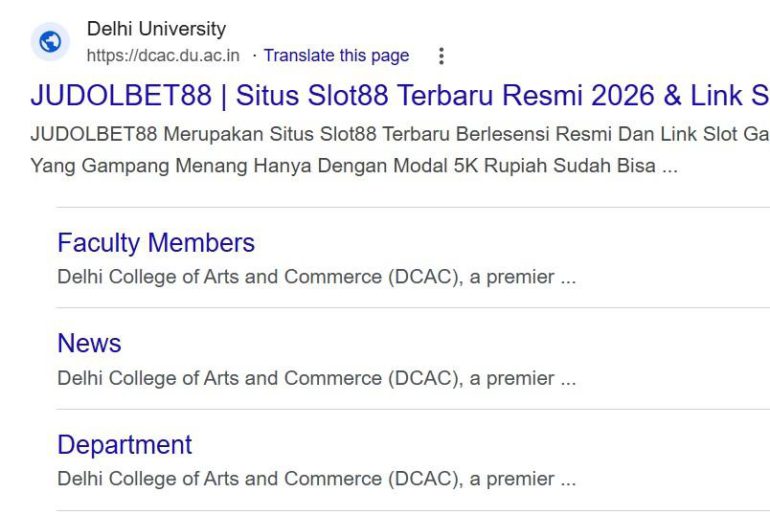
While the primary website link had briefly appeared to be restored for direct access, the portal was allegedly compromised again on 6 May 2026. During the second instance, users reported that the website had become inaccessible once more, while Google search results displayed gambling-related metadata and titles associated with another betting platform, “JUDOLBET88”.
Students reported that the website had earlier displayed a 404 error when attempting to access the ERP portal to check internal marks, which is speculated to be connected to the broader compromise. Users also stated that browsers, including Chrome, flagged the website as unsafe and warned against visiting the page.
Later, students were provided with an alternate official link to access services such as attendance records and timetables. The alternate portal was functioning normally at the time of reporting. According to accounts, the link was shared only after students approached the administration for clarification, suggesting that the college had not initially issued an immediate public advisory or clarification.
The continued visibility of compromised search results has raised concerns regarding user safety, as individuals relying on search engines may still encounter misleading or potentially harmful links despite the main portal becoming inaccessible again.
A student of the college, expressing concern regarding the incident, stated,
This is a very serious concern. It’s worrying that a college website could be compromised like this, and the administration should take strict action to strengthen security and prevent such incidents in the future.”
Parallel instances of alleged website compromise have previously been reported in other Delhi University colleges, including Ramjas College, where a website named “TOTO Slot”, another Indonesian gambling platform had allegedly taken over the institution’s homepage, along with reported incidents involving Keshav Mahavidyalaya and Deen Dayal Upadhyay College.
The situation continues to develop with residual effects of the alleged cyberattack still visible online as of 6 May 2026.
Read Also: Hansraj College Fest Witnesses Chaos; Alleged Stabbing and Fights Ensued
Image Source: Screenshot of DCAC search result
Suansh Dembla
[email protected]



Trending