
The conventional courses that have long been the choice of most students, might be a thing of the past. According to a report by the Hindustan Times, the applications for the Journalism and Mass Communication course in Delhi University have risen to 59,583 this year, taking a huge leap from last year’s 2,200.
Whether the sudden popularity for the course is due to the lack of an entrance examination or due to the course incorporating mass communication into the curriculum is something only applicants can tell.
It is perhaps the high demand that is leading onto the cut-offs for the course also being so demanding. While the lack of an entrance is being criticized, the fact that it didn’t happen as a lack of time is known to few. As a clarification to all existing beliefs, the syllabus for the FYUP in Journalism and Mass Communication has been a taxing process for the faculty. It was only in the first week of March that the syllabus with all the theory bits intact was finalised. With no time for the preparation of an entrance left, the only option for the University was that of opting for a cut-off. This does not at any point mean that there will not be an entrance for the course in the future
The fact that 59000 aspirants are vying for less than 250 seats is one statistic to be concerned about. Moreover the fact that most students have filled in the course as a second or third preference leads us to believe that the professional degree seems to be a back-up favourite for the aspirants.
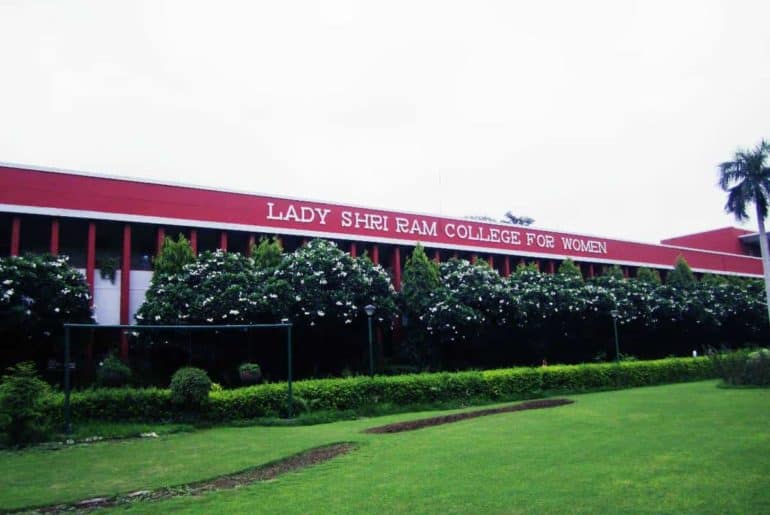
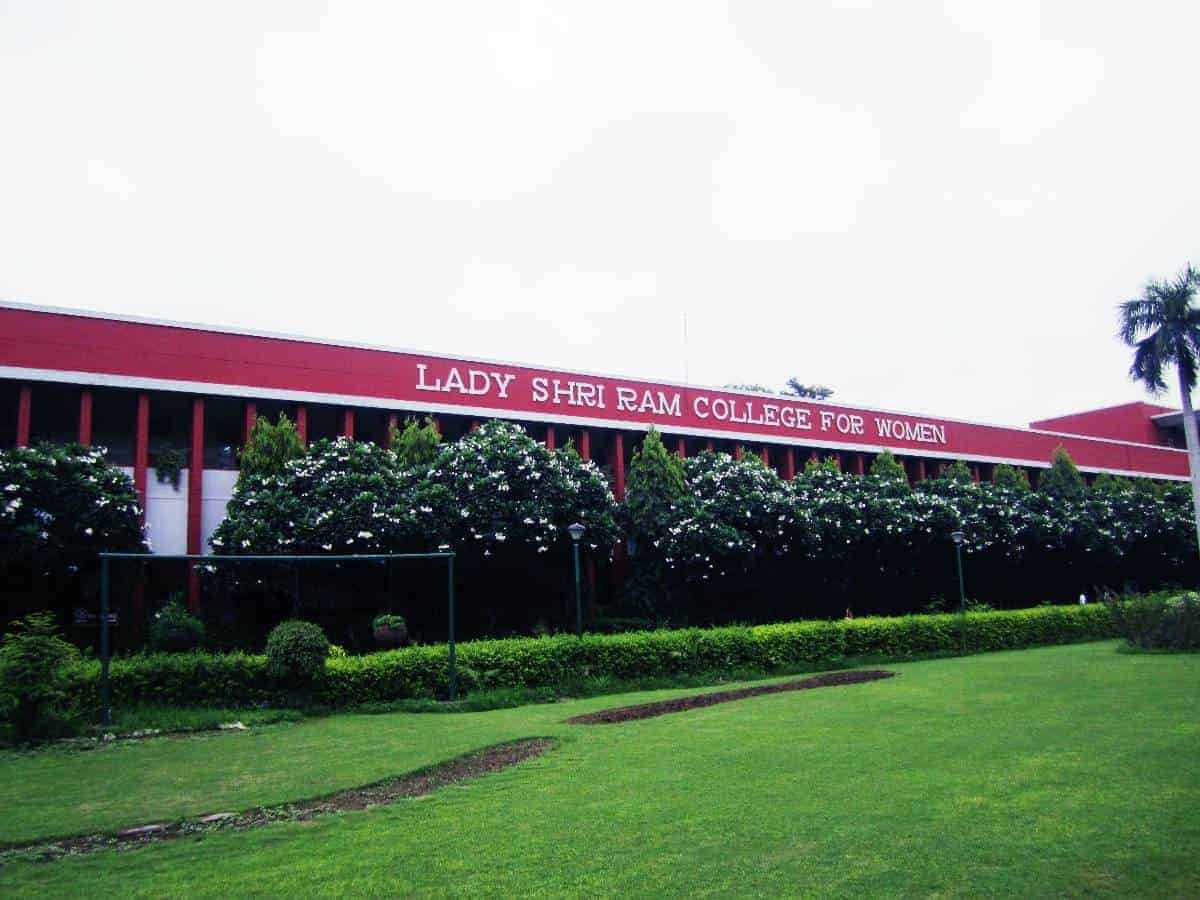
The course is offered in six colleges namely Lady Shri Ram College for Women, I.P. College for Women, Kamala Nehru College, Kalindi College, Maharaja Agrasen College and Delhi College of Arts and Commerce. While LSR’s first cut off is at a high 97.5 for Humanities/Science students and 98.5 for Commerce students, Kamala Nehru College is offering the course at 94-96%. Delhi College of Arts and Commerce, which is the first choice for most male candidates is again at a high 97.5 for the first cut-off. Maharaja Agrasen has a cut-off of 95, while Kalindi has a 93 cut-off for the course. I.P. College for Women, the latest addition to the ‘gang’ of Journalism colleges in Delhi University has set the bar at 93-97 for the course.
What is rather astounding is that while the ‘back-up’ course comes with a 97.5 percent requirement, courses such as Political Science and Sociology which are the first preferences of many top candidates are at a lower cut-off between 95-96. The reason for the unrealistic inflated cut-offs happens to be mere paucity of seats. The entrance based past of the course doesn’t help either, as the teachers were also unsure of what to expect.
Other apprehensions revolving around this year’s procedure are around the lack of aptitude for the course in the applicants. One might have scored more than 95% but that does not in any place mean that the person has a sound understanding of the media or of current affairs.
With such high cut-offs, sources tell us that the course has not found many takers after the first cut-off in colleges such as LSR and DCAC.
With 59,000 plus applications, does it mean that the ‘professional’ degree is suddenly hugely popular? Or does it refer to the fact that earlier only the students who were genuinely interested in the course gave the entrance examination and now with that rider away, many candidates have simply kept it as a ‘choice’?
Image credits: Guillaume Brialon

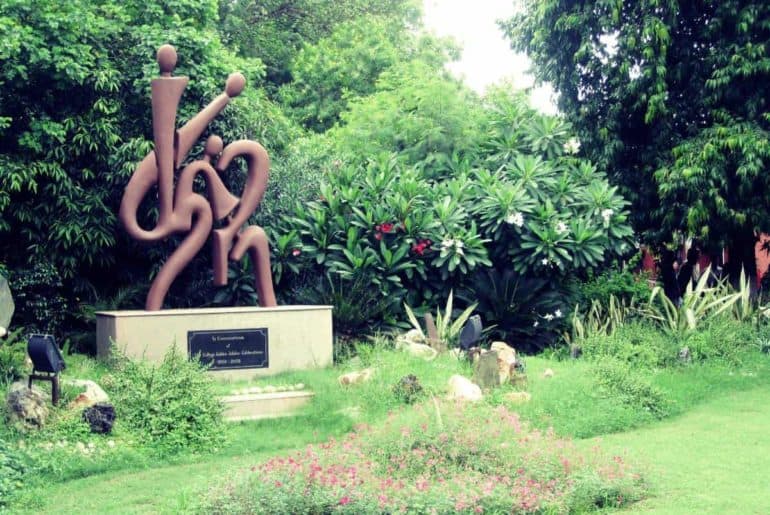




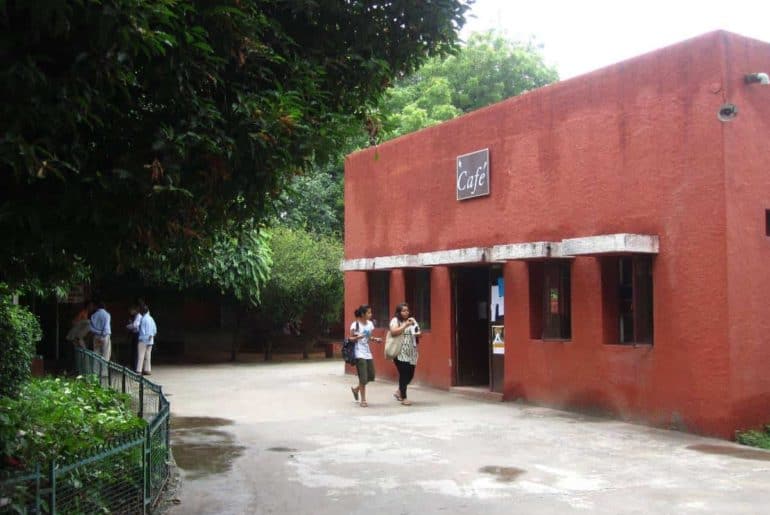
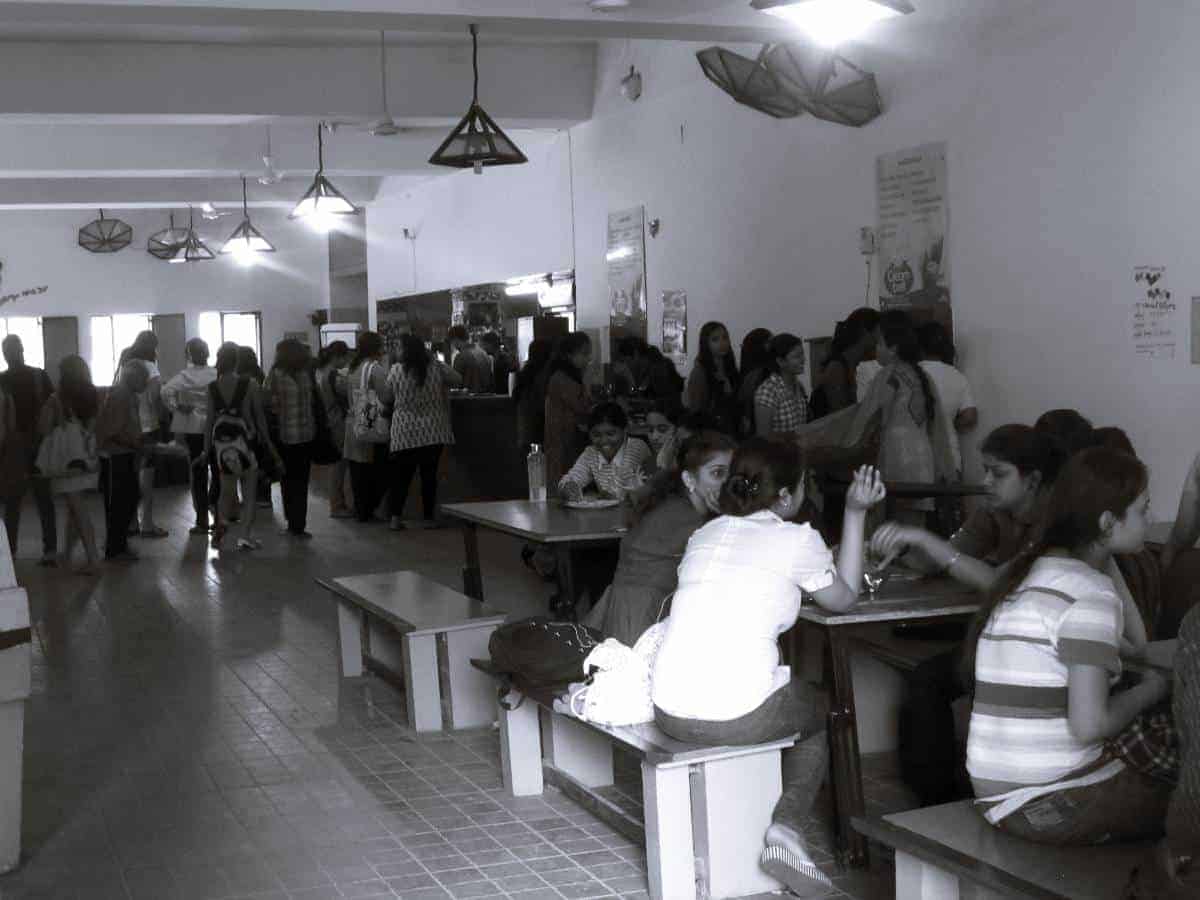
 PHOTOGRAPH: Sapna Mathur[/caption]
A day that begins at 8.45am and ends at 4pm with back to back classes is not what one has in mind when they picture college especially if they have grown up watching Karan Johar movies. It takes about a week into college to realize that one has been tricked by their mother as the 12th std. board exams are definitely not the last time one has to study with superior concentration.
For an outstation student settling into a new city, a new college can be tiresome. Parents, friends, distant relatives and the media don’t leave any stones unturned in making sure that you arrive in the rape capital of the country armed with a pepper spray and a prejudiced mind.
The stereotypes people create precedes them; contrary to popular belief the favourite hobby of men in Delhi is not rape just like the conversation in a girls college and more specifically LSR doesn’t always revolve around hair, shoes, boys and nail paint. Surprising as it may be male bashing and feminism are not compulsory concurrent courses offered in our curriculum.
Jokes about the sexual deprivation of the students of LSR which were once only a feature of lunch time conversations of college students have now become a part of stand-up comedy acts of Vir Das. Ironically, LSR students find these jokes equally amusing. The lack of testosterone in college leads to women dropping all their pretensions (almost). Thus, the sight of women dressed in their snow man printed pyjamas soaking up the winter sun while sipping on some hot chocolate is not an unusual one. It is hard to fathom that these unglamorous pyjama clad girls were once the inspiration behind the Punjabi rap song ‘Kudi LSR Di’ by the Triple Aces.
Touted as one of the best colleges in the country, the atmosphere at LSR is a competitive one. In throes of self-pity students often think of the college as a ‘military boot camp’ and imagine their over achieving classmates as hamsters on steroids running an endless race. But it is these very people who constitute the mystical ‘magic of LSR’. When existential and economic crisis seem to get the better of us it is these people who come to our rescue as we try and find catharsis in mulling over about our fleeting woes together. The differences in our personalities, ethnicities and interests brings us together as we try to find our individual niche in the protective bubble that is LSR.
Living in Delhi and studying in LSR are both acquired tastes. Sure, the winters are harsh and the curriculum is taxing but they both grow on you with time. There is a method to the madness in this city and in this college; all you have to do is discover it in the process of discovering yourself.
Pragya Lal
PHOTOGRAPH: Sapna Mathur[/caption]
A day that begins at 8.45am and ends at 4pm with back to back classes is not what one has in mind when they picture college especially if they have grown up watching Karan Johar movies. It takes about a week into college to realize that one has been tricked by their mother as the 12th std. board exams are definitely not the last time one has to study with superior concentration.
For an outstation student settling into a new city, a new college can be tiresome. Parents, friends, distant relatives and the media don’t leave any stones unturned in making sure that you arrive in the rape capital of the country armed with a pepper spray and a prejudiced mind.
The stereotypes people create precedes them; contrary to popular belief the favourite hobby of men in Delhi is not rape just like the conversation in a girls college and more specifically LSR doesn’t always revolve around hair, shoes, boys and nail paint. Surprising as it may be male bashing and feminism are not compulsory concurrent courses offered in our curriculum.
Jokes about the sexual deprivation of the students of LSR which were once only a feature of lunch time conversations of college students have now become a part of stand-up comedy acts of Vir Das. Ironically, LSR students find these jokes equally amusing. The lack of testosterone in college leads to women dropping all their pretensions (almost). Thus, the sight of women dressed in their snow man printed pyjamas soaking up the winter sun while sipping on some hot chocolate is not an unusual one. It is hard to fathom that these unglamorous pyjama clad girls were once the inspiration behind the Punjabi rap song ‘Kudi LSR Di’ by the Triple Aces.
Touted as one of the best colleges in the country, the atmosphere at LSR is a competitive one. In throes of self-pity students often think of the college as a ‘military boot camp’ and imagine their over achieving classmates as hamsters on steroids running an endless race. But it is these very people who constitute the mystical ‘magic of LSR’. When existential and economic crisis seem to get the better of us it is these people who come to our rescue as we try and find catharsis in mulling over about our fleeting woes together. The differences in our personalities, ethnicities and interests brings us together as we try to find our individual niche in the protective bubble that is LSR.
Living in Delhi and studying in LSR are both acquired tastes. Sure, the winters are harsh and the curriculum is taxing but they both grow on you with time. There is a method to the madness in this city and in this college; all you have to do is discover it in the process of discovering yourself.
Pragya Lal