Tag

IPCW

Browsing

Explore Indraprastha College for Women (IPCW), Delhi University’s oldest women’s college for Humanities, Commerce & Science. Explore updated courses, fees, admissions, campus facilities, student life, and placements.

Established in 1924, Indraprastha College for Women (IP College) is the oldest women’s college under the University of Delhi, renowned for academic excellence in Humanities, Mathematical Sciences, and Commerce. Founded as part of a nationwide movement to promote women’s education and empowerment, its scenic campus is recognized as a heritage site and a landmark of Delhi, reflecting a vision to blend traditional values with modern learning and rational inquiry in the heart of the national capital.

Accredited with an A+ Grade by the National Assessment and Accreditation Council (NAAC), IP College has maintained a longstanding reputation for academic distinction. It offers a wide range of undergraduate and postgraduate programs, including the self-financed B.A. (Hons.) in Multi-Media and Mass Communication, promoting interdisciplinary studies and holistic development.

Indraprastha College Infrastructure & Campus Facilities

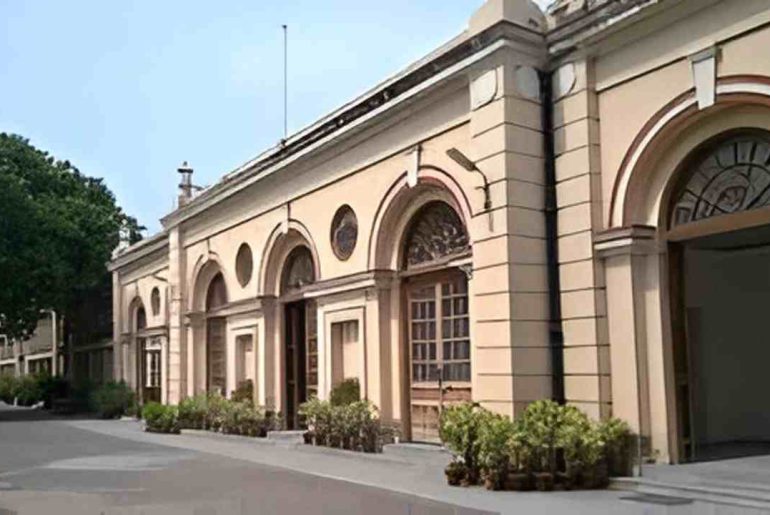
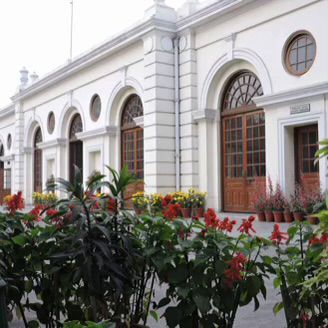
Located in the heart of North Delhi, Indraprastha College for Women (IPCW) sits on a scenic heritage campus that blends colonial architecture with modern academic infrastructure. Its lush lawns, preserved heritage buildings, and technologically advanced facilities make it one of the most beautiful and well-equipped DU campuses.

The classrooms and seminar halls at IPCW are ICT-enabled, spacious, and well-ventilated, featuring projectors and AV support for interactive learning. The campus houses an ICT Centre, Computer Laboratories, Audio-Visual Lecture Theatres (AVLT), and a dedicated Audio-Visual Production Studio with editing bays and radio production units. The Library and Reading Rooms are equipped with extensive print and digital resources through DULS and NLIST, supported by OPAC-enabled access for students.

IP College also boasts specialized research facilities such as the Centre for Interdisciplinary Studies, Centre for Earth Studies, Centre for Sanskrit Studies and Research, and Learning Resource Centre. The Museum and Archives, Cartographic Laboratories, and Exhibition Foyers contribute to a strong culture of research and documentation.

The campus includes a cafeteria, cyber café, photostat and stationery shops, and a book bank. A medical room with a visiting nurse and emergency aid, along with a counseling cell and mental health committee, ensures holistic student well-being. With Wi-Fi connectivity, power backup, and CCTV surveillance, IPCW provides a safe and accessible environment for its students.

Sports and wellness are central to the IPCW experience. The college offers facilities for basketball, tennis, swimming, badminton, athletics, judo, volleyball, archery, and more. It is the only women’s college in Delhi University with a swimming pool, alongside a fitness centre, climbing wall, and walking track. Regular health camps, tournaments, and inter-college meets promote a balance between academics and physical fitness.

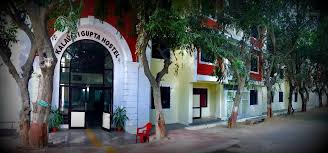
The campus hostels—two for students and one for visiting scholars—offer safe and comfortable accommodation. The campus also provides barrier-free access and inclusive infrastructure through its ‘Under One Roof’ Enabling Unit.

Courses Offered at Indraprastha College for Women (IPCW), Delhi University

Indraprastha College for Women (IPCW) offers a wide range of undergraduate and postgraduate programs across Arts, Commerce, and Sciences, blending classical disciplines with modern innovation. The undergraduate courses include B.A. (Hons.) in Economics, English, Hindi, History, Philosophy, Political Science, Psychology, Sanskrit, Sociology, Geography, and Music; B.A. (Hons.) Multi Media and Mass Communication (BMMMC) – a self-financed program; B.A. Programme with interdisciplinary combinations such as Computer Applications + Economics or Psychology + Sociology; B.Com. (Hons.), and B.Sc. (Hons.) in Computer Science and Mathematics. 

The annual fee structure ranges from ₹29,125 to ₹39,125 for most undergraduate programs, with B.A. (Hons.) Psychology priced at ₹37,125, B.A. (Hons.) Geography at ₹39,125, B.Sc. (Hons.) Computer Science at ₹50,625, and the self-financed B.A. (Hons.) Multi Media and Mass Communication (BMMMC) at ₹1,30,025 per year. 

Students under the PwBD category pay only ₹5 annually (except BMMMC, where the fee is ₹42,905). For foreign students, an additional ₹18,000 per year is applicable, while Tibetan students are exempt from registration fees. The college reserves the right to revise the fee structure in accordance with Delhi University norms.

Scholarships and Financial Assistance at Indraprastha College for Women

Extracurricular Activities & Student Life at Indraprastha College for Women

Vibrant and diverse, IPCW’s campus life reflects the energy and inclusivity that define the Delhi University experience. The college hosts numerous student societies across academics, performing arts, and social initiatives, nurturing leadership and creativity.

Prominent societies include Abhivyakti (Dramatics), Afroza (Western Dance), Laashya (Contemporary Dance), Mridang (Classical Dance), Alaap (Indian Music), Crotchet (Western Music), and Simulacra (Film & Photography). Intellectual and cultural engagement thrives through the English and Hindi Debating Societies, Quiz Society, Fine Arts Society, and Editorial Societies (English and Hindi).

Social outreach and activism are led by Eco Club (Prakriti), Women’s Development Cell, NSS, North East Society, SPIC MACAY, and the Gandhi Study Circle. These groups regularly organize seminars, workshops, and community events that encourage social awareness and inclusivity.

The college’s annual cultural festival, Shruti, celebrates music, theatre, dance, and art, attracting participants from across DU. Prakriti, the environment fest, promotes sustainability through workshops and green initiatives. Together, these events make IPCW one of the most lively and holistic DU colleges for student engagement.

Admissions at Indraprastha College for Women (Delhi University)

Undergraduate Admissions (UG)

Admission to Indraprastha College for Women is based on CUET-UG scores and governed by the Common Seat Allocation System (CSAS-UG). Candidates must have completed Class XII (or equivalent) from a recognized board. Seat allocation is determined by CUET scores in the relevant subjects, eligibility, and course preferences.

Postgraduate Admissions (PG)

Postgraduate admissions occur through CUET-PG, conducted by the National Testing Agency (NTA), followed by counseling via CSAS-PG on the Delhi University portal. Admission is confirmed after document verification and fee payment.

Recognition & Rankings

Indraprastha College for Women (IPCW) consistently ranks among the top women’s colleges under Delhi Universityfor Humanities and Social Sciences.

  • NAAC Accreditation: A+ Grade
  • Affiliation: University of Delhi
  • Recognized by: University Grants Commission (UGC)
  • Campus: Recognized as a Delhi Heritage Site
  • Awards for academic innovation, gender inclusion, and sustainability initiatives

Notable Alumni of Indraprastha College for Women

The alumnae of Indraprastha College for Women, Delhi University, have distinguished themselves in governance, social activism, arts, and journalism. Notable IPCW graduates include Meira Kumar (former Lok Sabha Speaker), Aruna Roy (Magsaysay Award-winning activist), Kanchan Chaudhary Bhattacharya (India’s first woman DGP), Salma Sultan (veteran news anchor), and Jaspinder Narula (singer). Their contributions reflect the college’s commitment to leadership and women’s empowerment.

Internships & Placements at Indraprastha College for Women

The Placement Cell at Indraprastha College for Women (IPCW), Delhi University, serves as a bridge between students and the professional world, offering structured guidance, career counseling, and recruitment opportunities across diverse sectors. Officially known as the Career Counselling and Placement Committee (J.E.E.T.), it stands for Jobs | Entrepreneurship | Excellence | Talent, reflecting the college’s commitment to holistic career development and empowerment. Through collaborations, workshops, and industry interactions, the cell ensures that students are well-prepared to transition seamlessly from academics to employment or higher studies.

In the 2024–25 placement season, IPCW recorded an impressive growth in placement opportunities, conducting over 65 campus drives and onboarding 45 new recruiters. The college facilitated 65 full-time job offers and numerous internship opportunities across fields like Finance, Audit, Sales & Marketing, Business Operations, and Technology. The highest package offered reached ₹24.3 LPA, while the average package stood at ₹6.27 LPA, with the gross CTC amounting to over ₹5.45 crore. Students from Commerce, Economics, and Computer Science streams secured the majority of offers, highlighting IPCW’s academic strength in these disciplines.

Top recruiters in 2024–25 included leading organizations such as Deloitte, KPMG, EY GDS, PwC, Accenture, Nestlé, Swiggy, Zomato, Bain Capability Network, Bajaj Capital, Axis Bank, ICICI Prudential, Cars24, Keventers, and Nation with Namo, among others. A significant milestone this year was Nestlé joining as a recruiting partner for Persons with Disabilities (PWD), reinforcing IPCW’s dedication to inclusive hiring practices and equal opportunities for all students.

Image Credits: DU Beat Archives

Neeraja Unnikrishnan

[email protected]

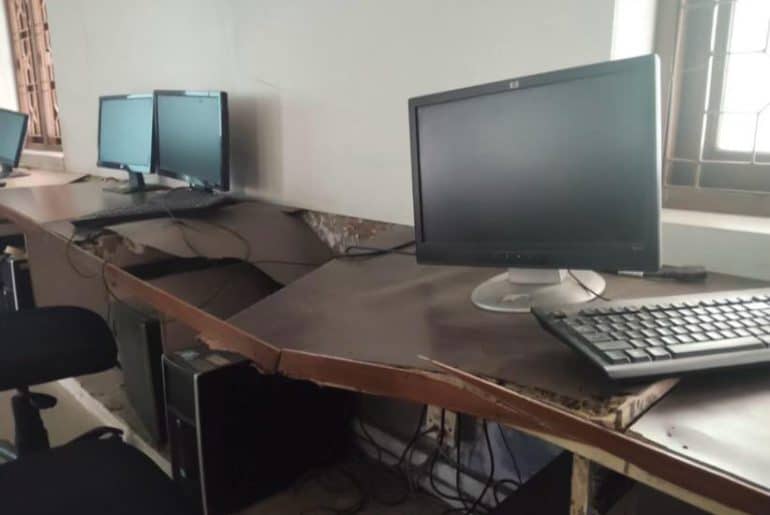
Room number 19, the computer lab of IPCW, has termites-infested tables with computers that can’t operate python, despite multiple complaints. IPCW second hostel list which was said to be released on 25th August, got delayed to 15th September and with a 10k concession on the fees. 


Students at Indraprastha College for Women (IPCW) are facing mounting frustration over administrative lapses, from broken, termite-infested computer lab tables and outdated desktops to indefinite delays in hostel allotments. Together, these issues have disrupted both the academic experience and the living arrangements of many students, raising concerns about campus management and student welfare.


Upon entering room number 19, students were shocked to find broken tables and non-functional computers. They reported that the tables were infested with termites, with the lower halves eaten away, leaving only the veneer-covered tops intact. The computers still sit on these damaged tables. Students allege that this is not a recent issue but one that has existed for quite some time. 

“I’ve known about it since the first semester exam, which was around January this year.” One student remarked. 

Additionally, students enrolled in SEC classes for Programming Using Python revealed that Python cannot even be downloaded on some computers. Since Python only works on Windows 8 and above, many systems are incompatible. On the computers where Python can be installed, administrative locks make the process tedious. Another student said:

“Desktops are not updated, like i mean you cant even run Python on them which is in our syllabus [Programming using Python]”

Many students stated that they have reached out to the administration multiple times. Recently, students lodged complaints again, after which technicians were reportedly brought in to repair the systems. It remains to be seen whether the issue will now be resolved.

Regarding hostel admissions, the second-round list, which was supposed to be released on 25th August, had faced an indefinite delay. After a long wait, the provisional list was released only on 15th September.

The reasons for the delay remain unclear, as no official circular has been issued. Students reported receiving conflicting explanations from the administration. Those who received a hostel room have been given a ₹10,000 fee concession. However, many had already shifted to PG accommodations and paid security deposits due to the delay. One student, who wished to remain anonymous, said:

“They are giving us a 10k concession on the fees, which is 90k+ per semester but I have already paid my pg rent for both the security and advance, so the concession is of no use to me.”

The delay in the hostel list caused major difficulties for students, particularly those coming from outside Delhi, in arranging accommodation and settling in on time for classes.

Both incidents highlight a larger problem of administrative inefficiency at IPCW, with students repeatedly reporting delays in response and resolution. Whether it’s fixing computer labs crucial for coursework or releasing hostel lists on time, students argue that such oversights affect their academics, finances, and overall campus experience.


Caption: The state of infrastructure in one of the top colleges in DU. 

Credit: Anonymous

The result of the 2nd hostel admission list, which was supposed to be announced on August 25th, has been indefinitely delayed. No official circular has been out for the said delay.

Many students have reported that there has been a delay in the second round of hostel admission in IPCW. The circular, which claimed that the result would be out on 25th August, had been delayed as of September 3rd without any circular being issued for the said delay. Many students have expressed their frustration with the delay. The forms have been closed since 19th August, with no official circular of an extended date.

Upon asking the students as to what reasons have been provided by the college for the delay, the reasons have ranged from renovations, which we confirm with a couple of hostelers were true, to spot admission, since many students within the hostel are leaving for their upgraded colleges.

A student who requested anonymity said:

Actually, they [administration] keep giving different reasons for it; first, it was said that renovations have been going on, but now that I mailed again, they said it’s due to the ongoing admission process… as many students have upgraded to different colleges.

Another student who opted for anonymity said:

I did talk to the warden… I was told that it is late because of spot admission. I asked further if there is any notice you know for the results to come out, and I was told no, it will come out at any point in time, and you just have to check the website.”

However, in some cases, the administration has simply told the students to check the website for updates. Looking at the old archive for previous years, it’s a stark contrast; previous hostel admissions lists used to be released timely and in fact, a senior student claimed that hostel lists went on till December in 2023.

Hostels remain one of the more affordable and safer alternatives for students residing outside of Delhi. With colleges already starting and no hostel list in sight, students are stuck between finding a PG or waiting for the hostel admission list.

We have contacted the hostel warden of IPCW, but as of yet, we have not received any response.

Read Also: Discontinuation of NCC Safety Units in DU’s Lakshmibai College

Image Credit: Indraprastha College for Women’s website

Reva Rawat
[email protected]

The 8 PM curfew at the KG Hostel, IPCW, not only restricts the students’ basic freedoms, but also shrinks their lives.


College hai ya cage?” – anonymous 


The curfew time of the girls hostel at Indraprastha College for Women has always been 8 PM. But the ever-so-generous college administration allowed students to walk within the college campus till 11 PM. Only recently, this provision was revoked. Now, students living in the hostel cannot venture into the college premises after 8 PM. The explanation granted was that some students had been seen loitering around the campus past 11 PM, which was outrageous, of course. For fear of this piece turning into yet another personal rant on why I am aggressively opposed to curfews, I spoke to students at IPCW to know how they’ve been faring with this change. 


When asked what they feel about the curfew timings, one of the students, Shruti*, said,  


Earlier, I didn’t really mind the curfew at 8 PM. I enjoyed going out for walks on the college premises after dinner. My friends and I would buy ice cream from the vendors at the gates. But now that we aren’t even allowed out of the hostel gates after 8, I feel suffocated. It’s an outright brutal move. I feel like I am held captive, caged. It feels like I am back home with the restrictions that my parents imposed.”


The curfew grossly hinders students’ academic opportunities. Riya* shared, 


Classes end around 5 PM; if I pursue any extracurricular endeavour or offline internship, it gets very difficult for me to be back to the hostel in time. My friend couldn’t take evening coaching classes because the duration between the end of daily classes and curfew wasn’t enough for her to make the journey back and forth.”


Aradhya* shared that she harbours no hope from the hostel administration for any change. 


You know, we have tried to be radical; we questioned why there needs to be a curfew at all in the first place. We signed a letter demanding a change in timings. All we got in response was a meeting with the warden in which we were told that the curfew could not be done away with as it was for our ‘own good’. It is the same old template of response. I am exhausted. So, now I have come to make peace with it. It would be better if special provisions could be made so curfew can be delayed when a student is pursuing an internship or part-time job.”


Shruti* also commented, 


I understand that the hostel administration is responsible for our safety, and hence, they feel that curfew is the perfect solution for ensuring that nothing ‘untoward’ happens. But, at least the curfew could be delayed till 10:30 PM every day. I know well enough that it’s wishful thinking. I am thinking of moving out of the hostel in my 3rd year.”


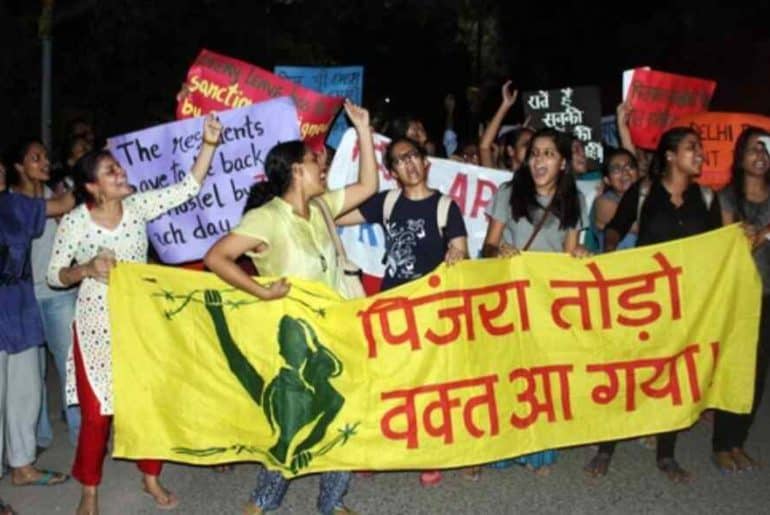
In the year 2018-19, within the ambit of the Pinjra Tod movement, students at Miranda House had successfully protested to end the stringent curfew restrictions. Today, the students I spoke to displayed no such resolve. The presence of a stifling institutional mechanism (and a relentlessly indifferent principal) has ebbed their will to keep calling out to deaf ears. They don’t outright reject the curfew but rather request a delay in the curfew timings. Resignation and hopelessness for any change ring heavy in their voice. 


Shilpa Phadke writes in ‘Why Loiter’ that a woman’s presence in a public place is fraught with anxiety, an anxiety to prove their reason for being there. Women always act busy in public. It is a performance. A woman without a visible, obvious purpose is seen as soliciting.  While the men, of course, lounge around gawking at every passerby. Why is it that women cannot simply loiter? At a time when the whole of the country has come together in solidarity to demand safety for all, one wonders when women will be able to truly reclaim the night. When will the women loiter? 


*Names have been changed to maintain the anonymity of students. None of them were comfortable with their names being used in this piece. They did not want to get into ‘trouble’.


Featured image credits : TimesContent


Read Also : Mad Women in the Attic: The MH Hostel, A Take


Chetna Rani

[email protected] 

As the fest season unfolds, students offer a sharp assessment of Delhi University’s fest advisory, highlighting the associated concerns.

In light of recurring security and management lapses at Delhi University’s fests, the university has issued advisory/guidelines to be followed by all colleges and departments regarding the organisation of various programmes and events. The 18-point advisory, which has been updated three times between April 2023 and January 2024, focuses on the necessary rules of pre-registration of attendees, submission of their details to the police, and also a requirement of a NOC (No Objection Certificate) from the police, among the various other guidelines. A guideline among the 18 others mentioned: ‘Entry for events should be through pre-registration, like on Google Forms, with details of the event, i.e., date, venue, and the expected number of participants (to) be maintained and submitted to the police with a copy to other departments. The registration forms should include scanned copies of the college IDs of participants.’

Speaking to DU Beat, Rajnish Sah, a member of the Organising Committee of ‘Mecca’, Hindu College’s annual fest said:

It is almost impractical to keep an adequate track of all the records and documents on all the potential entrants and hand them over to the police. It might be feasible for small departmental events, but for events like annual fests, where people attend in thousands, it just proves to be an additional strain on the already burdened organising committee.

When asked about the tight cap on the number of attendees allowed to attend the festival, he added:

DU is known for its exposure and its exchange among the students, especially during the fest season, when students from various colleges connect. Tight attendance limits may hinder the fest’s true purpose.

The university-issued festival advisory guidelines also mention that ‘the concerned college or department is solely responsible for any untoward incident during any event organised by the concerned college or department.’

Considering the following statement, Rajnish added:

Putting all the responsibility of any incident with the college and authority would just put a constraint on the level of a fest. It is impractical to hold the college accountable for every incident that happens.

Anubhav, sponsorship head at Nexus, the annual fest of Sri Venkateswara College, supports this and adds:

The college can be held accountable only up to an extent. It is also necessary to ensure that the legal responsibilities are taken up well for the smooth conduct of a fest.

He also added that currently, there are no significant sponsorship issues arising from the attendance cap.

As per reports from The Hindu, a student claimed that there has been a problem in extracting sponsorships for the events:

Sponsors are brought on board based on the number of attendees. With a cap on this number, agreements are becoming increasingly difficult to secure.

–  said Harsh Dalal, President of the Student Union of Shri Ram College of Commerce (SRCC), which will host ‘Crossroads’ in the first week of April.

The report also mentions how some students believe that the advisory would ensure security and make things better for the organisers.

Pre-registrations and controlled entry will make things easier and improve the quality of the fest.

–  said Aman Choudhary, president of the student union at Sri Venkateswara College.

 In March 2023, a group of men allegedly entered Delhi University’s Indraprastha College for Women by scaling the boundary walls and harassing students when the college celebrated its annual festival. A similar incident had also occurred in 2022 during Miranda House’s Diwali Fest, where men were allegedly seen climbing the college walls and indulging in ‘cat-calling and sexist sloganeering’. The rising and repeated cases demanded an advisory to regulate the incidents. As per the fest-advisory guidelines, ‘Prior to any big event in the institution, there should be an assessment of the boundary wall of the college. If found low, concertina wires should be installed to prevent outsiders from scaling the walls.’

A representative from Maitreyi College’s Student Union (identity withheld for anonymity) says:

Where are the notices outlining the repercussions for intruders if another incident occurs again? You can raise the walls, but when will you actually hold the intruders responsible for disregarding the boundaries? How can one ensure that the registered attendees do not create any nuisance on the college campus?

The representative acknowledges that the college has implemented strict measures like applications, registrations, and identity checks for issuing passes to outsiders. However, they highlight that there is no restriction on the number of passes a student from the college can acquire due to the ‘monetization’ of the passes. They then continue and add on to the ‘budgeting issues’ with regards to maintaining security at DU fests:

Since the beginning, many DU colleges have continuously encountered difficulties in securing adequate funding. Things like the security arrangements and illumination of the dimly lit places as per the advisory need funding and resources.

Continuing her statement, she asserts that colleges cannot and should not be solely accountable for all incidents occurring within the campus, stating that the fest-advisory guideline serves merely as a means to deflect legal responsibilities.

Read Also: The Invasion of IPCW: A Student’s Account

Featured Image Source: The Indian Express

Dhairya Chhabra

[email protected]


Against the background of an ongoing onslaught on the University’s gender-minority colleges, we seek to explore what it means to exist in DU’s so-called ‘safe spaces’ and why any threat to their sanctity must be dealt with the gravity of an ‘invasion’.

Introducing yourself as the student of a women’s college is an act that elicits a wide range of responses. From blatant objectification of yourself and your peers as ‘dream girlfriend material’ to feigned concerns about how the institutional absence of men is hindering your ‘holistic’ development, it is evident that gender-minority spaces are no safe haven from patriarchy. If anything, patriarchy operates in covert ways within and outside the walls of these institutions.

Beyond sexist stereotyping and disparaging remarks, it manifests as the very real and physical threat of gender-based violence, of which these students often become primary targets. As our campus witnesses a rise in public displays of male entitlement and territorial chauvinism, it is imperative that we learn to contextualise these incidents and understand that no violation of a safe space happens in isolation.

Before delving into the subject of gender-minority spaces and what threatens them, it is crucial to understand what these spaces symbolise for their students in the first place. The very need for exclusive spaces for women and gender minorities points to a history of sexual violence that has endangered these groups for simply existing in public. Delhi itself hosts the track record of being one of the most unsafe metropolitan cities for women in the country, with the National Crime Records Bureau (NCRB) recording 14,277 registered cases of crimes against women in the Union Territory in 2021 alone. The fear of violence is thus statistically backed up and deeply embedded in the collective psyche of gender-minority groups, who are forced to live much of their lives on ‘survival mode’.

In the midst of an overwhelming threat to life and autonomy, gender-minority spaces emerge as a cocoon of safety for historically marginalised groups. Hence, Priya Agrawal, a student of the Indraprastha College for Women (IPCW), Delhi University’s (DU) oldest women’s college established in 1924, comments,

There is a reason why our parents and relatives feel very comfortable with the fact that their daughter is in an all-girls’ college. They feel that she’ll be safe there.

In fact, this dichotomy between unsafe public spaces and the safe space of gender-minority colleges is epitomised by the daily experience of commuting to the latter. Any student of these institutions is all too familiar with the sense of relief that rushes over you as soon as you step inside your college gates and are no longer bound to check the length of your skirt or feel the gaze of a man staring down your chest. As Sobhana, a student of Miranda House, relates,

The journey from my house in Vijayanagar to the Miranda House campus, which is no longer than 3 minutes by rickshaw or 10 if you walk, gives me more trauma and catcalls than the entire day I spend on campus.

It is apparent why, despite the conflictual nature of the inner workings of these colleges, they hold sanctity as a form of ‘private space in public’ universities (to borrow author Shelly Tara’s idiom, who used it originally in the context of women-only coaches on the Delhi Metro).

All of this is not to paint gender-minority colleges as infallible institutions above any and all forms of discrimination. Caste, class, religion, queerness, and other social cleavages dictate the inner anatomy of these institutions, and indeed, the very notion of a ‘safe space’ comes to be contested in the face of social hierarchies and exclusionary cliques. Any sense of safety is accorded on the basis of privilege and it is crucial that we keep this intersectional standpoint at the back of our minds while examining the remainder of this issue.

So, it is not the case that DU’s gender-minority colleges represent some sort of progressive, feminist utopia, but more so that they unite students under the banner of shared experience and solidarity against patriarchal injustice. Payal Krishnan, an LSR alumna from the batch of 1996, says,

Even in a women’s institution, you would routinely face instances of internalised misogyny and homophobia, and it takes time and dedicated efforts to shatter. Just stepping inside a women’s institution doesn’t automatically make you a certain way. But luckily, we always had people come out in support of individuals and communities which were discriminated against, and that unwavering support and dedication towards creating a safe space is what mattered.

Despite the numerous problems that permeate such institutions, she speaks of a “culture of cooperation, respect, and holistic growth” and concludes, “There is power in the collective.” This power—this collective front put up against the omnipresent violence of gender norms—is what poses an existential threat to patriarchy. While it is not within the scope of this article to delve into the rich history of these colleges, it is true that dominant society has always felt a sense of unease in the presence of such highly-educated and liberated women. Whether it be the 1990s matrimonial ads declaring ‘Girls from JNU, LSR or Miranda House need not apply’ or the aforementioned judgemental remarks, the autonomy of gender-minority spaces has always existed as an open challenge to the hetero-patriarchal foundations of our society.

Perhaps it is this challenge, this daring not to conform, that has resulted in the repeated targeting of these spaces and attempts to infringe upon their boundaries. Case in point is that of the recent DUSU election campaigning rallies that have barged into women-only campuses, but also of much earlier incidents, such as the 2020 Gargi College fest, the 2022 Miranda House Diwali mela, and the 2023 IPCW fest. It is evident that these are not isolated incidents but rather a pattern of invasions that legitimises male entitlement to spaces clearly not meant for them. Even relatively normalised behaviours, such as men deliberately hanging around outside women’s college gates, are not to be dismissed either, since they form the root of this very patriarchal problem of ‘space and who occupies it’.

The cases of women’s college fests being invaded by men are some of the most publicized events within this scenario. These incidents, which become grounds for rampant sexual harassment in the form of catcalling, groping, and unwanted advances, and actively put the students’ safety at risk, have been meticulously covered by national media houses as well. What is often left out of the conversation, however, is the aftermath of such events. Sharing her traumatic experience during the IPCW fest invasion and how that permanently changed her perception of the college environment, one student relates,

The purity of the place was gone for me. I did not go to college for 1-2 weeks straight because there were many protests, but also because I didn’t feel like it. Many of my friends didn’t go either. Even months after, as soon as we’d enter, we’d get flashbacks from that night.

It should be made clear then that men climbing walls and trying to barge into gender-minority spaces are not a case of them doing just that. These are incidents that reinstate the fear of violence and re-establish the norm of male proprietorship over women and gender minorities. They serve as a painful reminder to the latter that no space that they construct with love and care for themselves is truly theirs forever. It is forever dangling under the threat of patriarchal violence and could be overcome, at any moment, by the ever-destructive male ego. As the above-quoted IPCW student went on to share,

Even after all this went down, people still don’t realise that this was not about a college having a concert, where people simply climbed the walls and chaos and stampede happened. No, it’s not about that. It’s about men trying to enter the space of women, trying to harass us in our own spaces, and telling us, ‘We can come here too; what will you do about it? Your administration is not going to help you out either.

Indeed, it is only within this context that one can begin to understand the visceral reaction of gender-minority students against their spaces being invaded. Recently, when the political rallies for the DUSU 2023 elections barged into Aditi Mahavidyalya and Miranda House, students of both colleges were quick to label these as ‘invasions’ and expressed dissent against them. Unfortunately, they were dismissed under the claim that such hooliganism is just ‘part and parcel’ of the DUSU election fever. Such statements, that ring too close to the common adage of ‘boys will be boys’, fundamentally fail to understand the sanctity that safe spaces hold for gender minorities and the reason why they might get so protective about them.

It is no far-fetched remark to also suggest that the way elections season has panned out over the past month in DU has been nothing but a display of power under patriarchy. Yes, money and muscle power reign supreme in this University’s (and by large, the country’s) electoral politics, but must we be so quick to accept that as the norm, as students and conscious voters? Must we allow our gender-minority spaces to be violated for the sake of more noise and pamphlet-litter? Of course, one also wonders why it is always the same political outfits, like ABVP and NSUI, that choose to engage in this chauvinist brand of student politics. Perhaps, someone will tell us to quietly accept that just as boys will be boys, ABVP and NSUI too will be ABVP and NSUI.

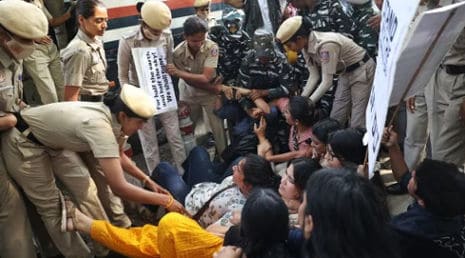
Ultimately, what matters, however, is the safety of our spaces. One of the most disheartening outcomes is always the immediate reaction of administrative authorities, who seem quicker to police the gender-minority students than take action against the perpetrators. Whether it be barbed wire being put up on college walls or student protestors being detained before the men who invaded IPCW, the question of who will protect our safe spaces remains unanswered.

Read also: The Invasion of IPCW – A Student’s Account

Featured Image Credits: Anshika for DU Beat

Sanika Singh
[email protected]

The abrupt removal of five ad-hoc teachers from the Sociology Department at IP College has stirred new concerns about the college administration’s decision and the impact of this on both students and the faculty.

 On September 29, 2023, Indraprastha College for Women (IPCW) released the list of candidates selected for the positions of assistant professors in the Sociology department. This announcement came as a surprise to both the department’s existing staff and students, as five ad-hoc teachers, with years of service at the institution, were unexpectedly displaced. The college had been conducting interviews to fill various vacancies in several departments for a while. Notably, none of the eight newly recruited professors were from the previous faculty.

The displaced faculty, who participated in the interviews, were shocked to learn that they had been replaced without any justification or prior indication. They expressed their dismay over the lack of support and understanding from the administration. One of the affected faculty members shared,

There were no words of comfort or support extended from the admin’s end. We are clueless and shattered.”

The displaced teachers had been dedicated to their roles, making significant contributions to the department’s success. They voiced their concerns regarding the fairness of the process, amidst claims of ideological differences being a reason for such sudden removals, one of the displaced ad-hoc professors emphasized that,

It is not Us vs. Them; we are not opposed to the newly hired teachers, but we are questioning the fairness of the process in that the contributions and labour of the teachers who had been working in the department for a number of years were not prioritised. We were replaced by those who had just received their master’s degrees and have little to no experience; how can they be better than us?”

Moreover, the professors demanded accountability from the selection committee and the college administration. They emphasized that this issue is not just about the fate of teachers but also about the well-being and educational experience of the students. The sudden change in faculty could disrupt the existing environment of class rooms and impact the students’ learning process.

One student from IPCW expressed,

They should have retained some of the old professors for the sake of students. Everything happened overnight. Our professors had created this department with love and dedication, and we were not prepared for this sudden change. The department was led by experts in their field, and the shock still lingers.”

Another student shared their initial experience with the new faculty, saying,

We had complete trust in our old professors’ teaching styles, and we were comfortable with them. Some of the new faculty lack prior experience, which has been a source of frustration for us as students. With exams approaching, we are concerned about the time it might take for the new faculty to adapt to our learning environment.”

During conversations, the displaced ad-hoc faculty mentioned their gratitude for the overwhelming support they received from their students and the larger academic community. However, they expressed doubts about the promise of getting position into other institutions, given the limited number of sociology departments in the university.

In conclusion, this incident at IPCW raises concerns about the legitimacy of decisions made by colleges and selection committees. Such decisions not only impact the professors who are displaced but also have far-reaching consequences on students’ education and the department’s reputation. The displaced faculty members hope that similar situations do not occur in the future.

We as teachers try to build the vision of students, we believe that with our experience they can also benefit, It takes time to form such bonds with students that we had already built. The message is simple, value the labour and contributions of those who have given their everything to build this field.” One of the displaced ad-hoc teachers from IPCW.


Image Credits – Google Images

DU Beat

To address the safety concerns transpiring recent incidents at all-women colleges, DU issued a notification to reconstitute a women’s safety committee to strengthen the security of female students and employees.

On 8 May 2023, Delhi University (DU) issued a notification to reconstitute a committee on women’s safety and security in light of the incidents threatening the safety of students in all-women colleges. The committee, consisting of six members, will be headed by university proctor, Dr. Rajni Abbi.

The competent authority of the university has re-constituted a committee on women safety and security to strengthen the safety and security of female students and employees of the university

–stated the notification issued by DU on May 8 2023.

The notification is issued to address the recent incidents in cultural fests raising concerns regarding the safety and security of female students and employees on campus. On 29 March 2023, male trespassers harassed and catcalled women during Indraprastha College for Women (IPCW) annual fest, Shruti. A similar harassment incident was reported in Miranda College in October 2022 where several men scaled down the college walls and sexually harassed the female students attending the college’s Diwali fest. These incidents have also caused Gargi College’s annual fest, Reverie, to be cut short to only a one-day affair held on April 10, with limited participants and events.

The university felt the need to have a specific committee to look into the issues of female safety. The committee that was formed after these incidents created generalized guidelines. But it was not specific to the safety of girl students

–Dr. Rajni Abbi stated, in conversation with Press Trust of India (PTI).

Alongside Dr. Rajni Abbi as the Chairperson, the six-member committee will consist of Law Center II’s Prof. Vageshwari Deswal as the Member Secretary, joint proctor Prof. Geeta Sahare, Dr. Mallika Kumar from SRCC, Assistant Registrar Sh. Girish Kumar and Advocate Ms. Niyati Sharma as members.

Previously, on 17 April 2023, DU varsity issued an 17-point advisory notice to colleges and departments clearly stating the “responsibility for events shall lie with the college/department authorities” and the college will be responsible for any “untoward incident”.

Entry for events should be through pre-registration like on Google Forms with details of the event, that is, date, venue, and the expected number of participants, should be maintained and submitted to the police with a copy to other above-mentioned departments

–the advisory added.


Image Credits: Hindustan Times

Sri Sidhvi Dindi

[email protected]

On 15 May, a story covered by the Press Trust of India (PTI) revealed that teaching faculty from the University of Delhi wrote a letter to the Vice-Chancellor, Yogesh Singh in order to report the lapsing of Scheduled Tribe reserved teaching positions in some departments of Indraprastha College of Women. 

Delhi University professors have accused the college of “twisting the roster” in order to practically do away with ST teaching positions in the commerce and economics departments. In both the aforementioned departments, the positions have decreased from a singular vacancy in 2019 to none in 2023. 

As written in the letter, close to 10 teachers have expressed their concern over the issue and urged the University to take some action, 

It is a harsh reality of the current times where we see the various efforts done by administrators to oversee the category section in the context of recruitment blindly.

The Press Trust of India has claimed that their attempts to reach out to the administration as well as the principal, Poonam Kumaria have been unfruitful, due to the lack of response. Even the DU Beat’s request for a statement has been left unanswered. Reports in the past few years have pointed out DU’s failure to allot reserved teaching positions to SC/ST candidates, even though the University has had qualified and suitable candidates, a response that has been criticized before. Such discrepancies, however, have prevailed previously as well.

On 12 May, DU Beat itself covered an ongoing issue at Keshav Mahavidyalaya regarding teacher’s union protests following the alleged lack of adherence to reservation policy, in regard to teaching posts among other issues. Moreover, as recently as October 2022, the SC/ST/OBC Teacher’s Forum had expressed concern over the non-implementation of University guidelines when it came to reserving administrative and faculty vacancies in colleges across DU. The chairmen of the Forum, Dr Kailash Singh Yadav had said that while teachers were still given reserved spots at a later date, the same had never been done for the position of principal ever. 


Featured Image Source: collegedunia.com 

Read Also: DCW Seeks Report on IPCW from Police   

Reviewing the SC/ST Act 


Chaharika Uppal

[email protected]

Separate gates for entry and exit, restriction on entry of outsiders, hiring private security, increasing height of boundary walls – were a few among the measures suggested by Delhi University’s panel to augment security in colleges post the shameful events at IP college’s fest.

On 4th April, the University of Delhi constituted a 5-member committee to investigate the incursion onto the Indraprastha College for Women’s campus during the college’s annual fest. The committee has now prepared security guidelines for colleges to prevent such future mishaps after several meetings and consultations with the Delhi Police.

These guidelines have been issued in the wake of several recent incidents which have threatened the security of girls on college campuses. Low boundary walls, no concertina wires, common entry and exit gates, dearth in CCTV surveillance were certain infrastructural issues adding to the insecurity. Although the recent incidents have largely been reported at all-women’s colleges, these general guidelines are mandated to be followed diligently in all campuses.

The advisory by the DU Proctor Rajni Abbi, dated 13th April, mandates a proper Advance Security Liaison (ASL) meeting with all stakeholders i.e. fire, police, electricity, college/university security, college representative, event management company etc, before the commencement of any concert or event inviting outside students. No such event is to be organised without an NOC (No objection certificate) from the police.

“There should be a careful assessment of the capacity of the venue in relation to attendees expected. Information on the capacity of the various venues should be mapped and total number of participants allowed should be in accordance with the available space,” read the advisory.

Mandating such structural changes was the need of the hour considering the loop holes within the administration and the infrastructure. Implementation of these measures in a stringent and swift manner is of utmost importance considering that the fest season is still not over. Greater funding towards security is definitely something that was needed. Greater emphasis on implementation in all-girls colleges is even more important” – Priyanka Bhalla, a student from Lady Shri Ram College for Women in conversation with DU Beat

Among other measures were proper assessment of height of college walls, and installation of concertina wires if found to be low and scalable, installation of metal detectors, CCTV cameras at college and hostel gates. Pre-registration would be a pre-requisite for entry, submission of details like venue, date, time, crowd number beforehand to the police has been necessitated.

Read Also: ‘No event without Police NOC’: DU Releases New Guidelines for College Fests

Feature image credits: DU Beat

Rubani Sandhu

[email protected]