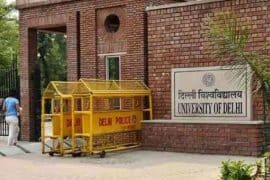
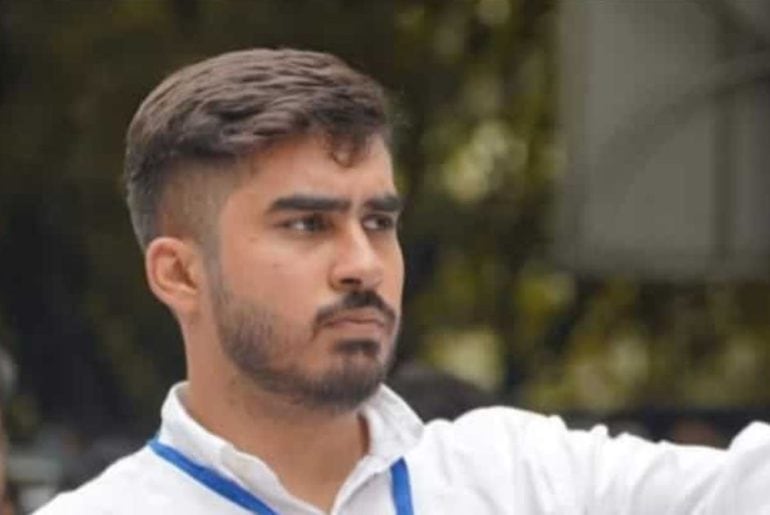
Ronak Khatri, former DUSU president, has challenged Delhi University over the withholding of his LLB degree due to alleged dues of ₹10 lakh, prompting a legal dispute with the University.
Khatri, representing the NSUI party, was officially elected as the president of the Delhi University Students’ Union (DUSU) for the 2024–25 session. He completed his three-year LLB degree from Campus Law Centre in 2025 and demitted office from the post of DUSU president in August the same year.
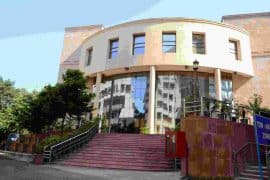
However, even after fulfilling the required criteria of attendance, payment of fees, and semester examinations, the University refused to issue his degree and official mark sheets because of the alleged outstanding bills. The bills in question were from bookings made for the International Guest House between February and August 2025, including catering expenses.
Khatri allegedly stated that these bookings were made for official student union events after obtaining prior approval from university authorities and under the supervision of the staff adviser. According to him, these actions are unjustified, since the expenses were meant to be cleared from DUSU funds.
The issue, however, is that the DUSU staff adviser, Surender Kumar, denied granting approval for booking the International Guest House. “International Guest House does not fall under the venues permitted for DUSU activities that can be paid from the DUSU fund. No approval was given by me for such bookings,” he claimed. Meanwhile, Khatri questioned why he was informed about the outstanding dues of nearly ₹10 lakh only after his tenure was over, and not earlier. “No bills were provided when I was president, but after my tenure ended, I was told that these bills have to be paid by me as I was the president,” stated Khatri.
He completed his degree in 2025, and it is provisionally required for his enrolment with the Bar Council of Delhi. While his classmates reportedly received their degrees in October, the staff adviser wrote to the Controller of Examinations directing that the release of his degree and mark sheets be withheld until the pending payments were cleared. Consequently, Khatri was not issued his academic documents.
He has since filed a petition before the Delhi High Court, and a notice has been issued. In an interaction with the Hindustan Times, Khatri described the action as “arbitrary” and said it constitutes mental harassment of students. He further stated that the delay in receiving his degree has jeopardised his career prospects.
The matter is now scheduled to be heard in March, as per the notice issued by the High Court.
Read Also: Violence Erupts at Arts Faculty Protest: Journalist, Students Allege Assault
Image Credits: The Indian Express
Ipshita Grover
[email protected]