A petition was filed before the High Court by a student frustrated with the lack of vegetarian-only food facilities. The issue has revived food-related debates among students.
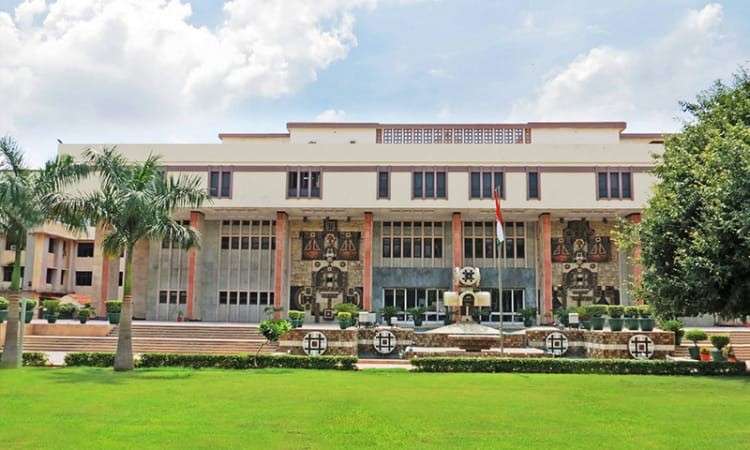
A Delhi University student has filed a petition before the Delhi High Court asking for separate, vegetarian-only food facilities in hostel messes and college canteens across the university. The petition was filed on Wednesday and is likely to be up for hearing in the following days.
Vijeta, the petitioner, filed the plea through advocate Barun Kumar Sinha. She took the step after finding issues with her women’s hostel. In her petition, she stated that she was “directly and substantially” affected by the vegetarian and non-vegetarian food being prepared and served together in her hostel mess.
She went on to say that the lack of segregation had caused her “grave prejudice”, inconvenience, and violation of her rights. She also alleged that food safety regulations and hygiene standards are being broken regularly. According to Vijeta, no action was taken despite raising this issue multiple times with hostel staff and officials.
The petition seeks to direct authorities to set up separate vegetarian mess facilities at a reasonable distance from areas where non-vegetarian food is cooked and served. It also seeks proper segregation of veg and non-veg food in storage and serving areas across hostels and canteens, along with strict compliance with food safety and hygiene laws. The petitioner has further asked for a clear policy for students with strict vegetarian dietary requirements, an adjustment in mess charges for those using only vegetarian facilities, and a grievance redressal mechanism so students have a proper and timely way to raise complaints related to mess and canteen services.
Such issues are not new to the university. Food-related tensions have been faced commonly in the past few years. In January 2023, Hansraj College quietly stopped serving non-vegetarian food in its canteen and hostel after it resumed classes post-COVID. The decision came as a shock to many.
A second-year student at the time told news agency ANI,
“Earlier, non-veg food used to be served, but suddenly non-veg food and eggs were stopped. The students who have come from the south face a lot of issues because they have the habit of eating non-veg.”
In mid-2025, a similar controversy broke out at JNU’s Mahi-Mandavi hostel, where a “veg-only” notice appeared in the mess. The JNU Students’ Union (JNUSU) reacted strongly, with president Nitesh Kumar calling it an attempt to divide students and a violation of hostel norms.
The current petition has also triggered mixed reactions on campus and on social media. Some students claim they feel genuinely uncomfortable when meat is cooked in shared kitchens. A student of Hansraj College had earlier told ANI, “People who want to eat non-veg can have it outside. Students are happy with vegetarian food.” The issue has also sparked significant online discourse. “If a student has raised it through the proper legal channel, the court should at least listen,” one DU student posted on Instagram.
The Delhi High Court is yet to take up the case for a formal hearing. No response has been given by Delhi University or the government so far. The petition is expected to come up before the court in the coming days.
Image source: Live Law
Read Also: Datesheet dilemma finally ends; Last date to fill the examination form passes.
Arshia Sharma