Author

DU Beat

Browsing

Diwali is that time of year when the entire campus lights up with frolic and festivity. And this time, the festivity is expected to be better and bigger than ever, with various colleges planning grand Diwali melas.

With seasonal festivities around the corner and the mid-semester break having just ended, it’s time to recuperate in a fun manner. Diwali melas serve this very purpose, reminding everyone that the festival is about more than just bursting crackers and spreading pollution. DU Beat interacted with the representatives of a few organising teams of various colleges to ask them what makes their Diwali mela different from the others’. Here are their responses:

Suruchi, Hindu College (12th October, 11 a.m. onwards)

It is innovative because the decoration on display is made entirely out of waste material, particularly using the pamphlets from Mecca, Hindu College’s annual fest, and Delhi University Students’ Union (DUSU) elections. The mela provides an opportunity for the blind society to set up a stall, from which all proceeds go towards underprivileged students and individuals in nearby slums.


Diwali Mela, Hansraj College (11th October, 12 p.m. onwards)

Just like in previous years, this year too, all the proceeds from the Diwali mela campaign will go towards an educational trip for the students of Padhaku, the educational wing of NSS, Hansraj College. Many fun events and games have been planned out for the attendees, including a special surprise that would be revealed on the day itself.


Zistatva, Gargi College (11th October, 9:30 a.m. onwards)

Grand celebrations have been planned this year, including an inauguration ceremony with the chief guest, Somnath Bharti, and special performances that would be put on a showcase for the event, alongside fun pre-jitter events that were held on 10th October.


Sparsh, Jesus and Mary College (12th October, 10 a.m. onwards)

This annual fiesta, organised by NSS JMC, is expected to be bigger and better this year, as JMC has entered its golden jubilee year and celebrations for the same have begun in full swing. From fashionable items and scrumptious delicacies for everyone, many NGOs will also put up self-made products for sale.


Aashayein, Kirori Mal College (12th October, 11 a.m. onwards)

Organised by Sahyog, which aims to empower underprivileged children under NSS KMC, this event will be a fun affair. Many activities have been planned for the day, including treasure hunts, beg-borrow-steal, rangoli making, and golgappa eating competitions.


Noor, Lady Shri Ram College for Women (14th October, 9 a.m. onwards)

The theme for this year’s mela is ‘Dastagiri’, which means ‘helping’. Apart from NGOs putting up stalls, there will also be a special kids’ corner with activities and refreshments dedicated specifically to them. There will also be a cultural programme where children from various NGOs would be given a platform to engage with the audience through singing, acting, dancing, or anything else which they would like to showcase. However, men above the age of 14 are not allowed at this fair.

 
Feature Image Credits: NSS, Jesus and Mary College

Vijeata Balani
 

[email protected]

Known for the diversity of its student community, the University of Delhi ends up masking the dominance of the privileged in its spaces by not addressing the emptiness of the concept of merit.

Despite the perpetual complaints of corruption and inefficiency within public institutions and government offices, public higher education institutions continue to be icons of (relative) integrity in India. Government colleges regularly top the lists of best institutions in the country. Unlike private institutions for one, they seemingly are based on merit alone rather than unscrupulous “donations” and have a sense of legitimacy associated with them. The University of Delhi is no exception, with it painting a picture of being socially progressive with its apparently diverse crowds from all over the country.

However, a simple examination of the makeup of the student body shows a different side. While the geographical diversity holds up to an extent, it shows a dominance of those from urban areas. This is important for a seemingly inclusive institution, considering the fact that about 70% of the population lives in rural area, and is also indicative of the obvious dearth of facilities in rural areas. Socially, a look at the merit list shows the disproportionate lack of lower caste and minority religions. An article by Nidhin Shobana pointed to her similar observations of the alumni list of Miranda House and is worth a look.

Even without the statistics, encounters with the caste/class privilege are routine and invisible. If you had lived in a big city, chances are you probably have a few schoolmates in the University, too. Or, there must be other students in the University from your city, from the same circle of three or four top schools of that city. Or, maybe you’ve had instances where you’ve run into an old classmate/neighbour/family friend on the University campus, wondered “What a small world!”, and left it at that. If you ask those who do not belong to your social strata, however, it turns out that these chance meetings and coincidences have their frequencies going down as one’s social standing goes down.

Of course, this is not a sweeping generalisation. There is no total dominance. It does seem odd, though, that most people who seem to do well as per the narrow definitions of marks scored are of a numerically minuscule class, and will probably also dominate corporate and administrative fields when they leave these institutions. Even worse, there seems to be no conversation on this unfair dominance that hides diabolically in the name of “merit”.

A quick activity can illustrate the point that this article is trying to make – we urge our readers to ask within their respective classes, students who are Dalits and Bahujans, to raise their hands. The few hands will speak for itself.  Premier institutions of the country, like the ones within the University of Delhi, reek of the hegemony of the Brahmin-Savarna class. Merit isn’t the sole reason that lands them within the confines of such colleges, but the perpetual cycle of a fairy advantageous existence because of their social standing within the larger society. It is the ugly truth that we must confront. It is the norm that has dictated the corridors of such colleges for decades now. Nidhin Shobana’s article, speaks of the same.

So, the next time you hear someone in the university merrily quip, ‘what a small world’, pat them on their backs and ask them to think twice.


Feature Image Credits – Fuccha.in


Ankita Dhar Karmakar
[email protected]

Rishika Singh
[email protected]

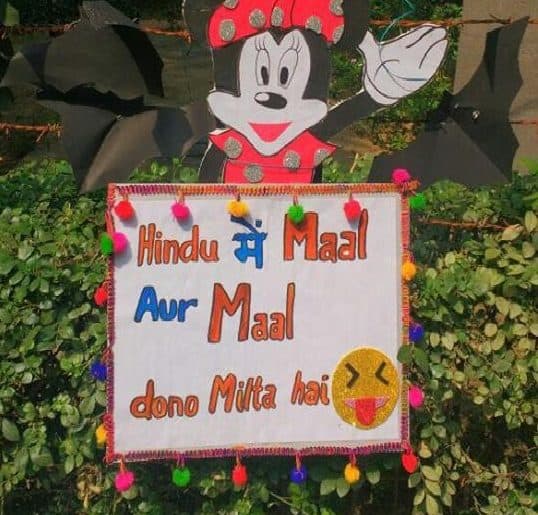
On the morning of 4th October, an image was posted by Pinjra Tod – a collective against the sexist and discriminatory practices in higher educational institutions – on its Facebook page. The image was of a poster from Hindu College, which said “Hindu mein Maal aur Maal dono milta hai”. In Hindi, the word “maal” is a slang term that is used to either refer to women in an objectifying manner, or to refer to narcotic substances.

An excerpt from Pinjra Tod’s caption sums up the view of those aghast at the language used in the poster thusly: “The many ways in which patriarchy reinforces itself every day in our campuses to convey the message that we may be studying in a university, we may be sitting in classes together, but women are to be primarily seen as sexual objects of exchange amongst men.” The poster almost seems to be bragging about the presence of women in the college, who are apparently not to be treated as equals or as peers of same intellectual calibre, but primarily as objects for men to lust over. Women are used here in the same breath as addictive substances, indicating that both are objects for pleasure. What adds to the whole issue is the fact that the poster was used during a Freshers’ party, and was probably one of the first messages that the new students picked up from their seniors regarding women’s place and perception in the institute. Universities are meant to widen horizons regarding thinking openly, but the regressive poster seems to be contributing towards promoting the opposite.

The Prime Minister of the college’s student union, Brijesh Tiwari, issued a statement that condemned the incident on Facebook. An excerpt from it said, “The Hindu College Parliament unanimously condemns the usage of such shamelessly gendered and misogynist phrases on campus or anywhere else. We at the Parliament consider it our utmost endeavour to arrive at a stage of gender equality, withering of misogynist practices and tendencies, and an overall climate of equal opportunities for all genders. We recognise how such phrases and their usage become an impediment in trying to achieve all of the above. The Parliament ensures that it will do its best to nip all such practices in the bud and to ensure that the student-driven crusade against misogyny must never be weakened.” Further, administrative lapses on part of the organisers and “deeply entrenched” misogyny that is “not a new innovation” were blamed.

This is, however, not the first instance of discrimination and sexism in Hindu College. Back in August, women students protested the administration over the differences in the hostel fees for men and women. The newly opened women’s hostel, in the college’s 118-year history, charged its residents more than double the fees charged from the men.


Image Credits: Pinjra Tod

Rishika Singh
[email protected]

Professors from the University of Delhi want the removal of the Goods and Services Tax which is applicable on academic activities such as application forms, examination fees, and entrance fees.

Former President of Delhi University Teachers’ Association (DUTA) and a professor at the Department of Social Sciences, Aditya Narayan Mishra has already written to the Union Human Resource Development Minister Mr. Prakash Javadekar to reconsider charging the Goods and Services Tax (GST) from students as it will ‘burden’ the students by making education inaccessible.

“The imposition of the 18 per cent GST on the admission and examination forms for the young trying to get admission in universities, on the other hand, is nothing but education denied to those coming from economically weaker and backward sections of the Indian society,” reads the letter written to the union minister. “Please withdraw GST on students’ fees immediately and make education inclusive,” Mishra said in the letter.

The GST, India’s biggest reform tax, passed as an act in the Lok Sabha on 27 March 2017, finally coming into effect across the country on 1st July 2017.

With a motive to make the taxation process simpler by eliminating the concept of multiple taxations, the GST is all set to strike the education sector as well. A lion’s share of the economy is fulfilled by the quality education and high levels of literacy. However, the way the tax will affect the education process makes the faculty of most Delhi University colleges apprehensive.

The faculty is protesting against the imposition of 18% of GST being levied on admission as well as examination forms for students across universities, claiming it will slow down the social transformation of students.

Teachers claim this move will neglect the economic situation of the students and their parents, who are working as watchmen, security guards, or are engaged in other menial jobs. “The government needs to make higher education accessible to youth, treat it as an instrument for upliftment for those unable to afford it. My students have expressed their parents’ inability to afford higher education if they have to pay money at every stage,” said Rajesh Jha, a professor at Rajdhani College to India Today.

The professor’s sentiments echo the feelings of most of the underprivileged parents of this country, those who wish to send their children to premier government institutions but are unable to given their financial restrictions. “The country’s goal must be to make education as accessible as possible, but with further taxation on university fees, it seems to defeat the purpose”, commented a former professor from the University of Delhi.

“Given how caste and class politics plague the inclusion of so called ‘lower caste’ people into the educational premises due to being enmeshed in the vicious cycle of caste privilege, the government’s move on taxation isn’t quite smart, it only manages to marginalise the already marginalised”, opines a former student from Miranda House.


Feature Image Credits: India TV Paisa

Ankita Dhar Karmakar
[email protected]

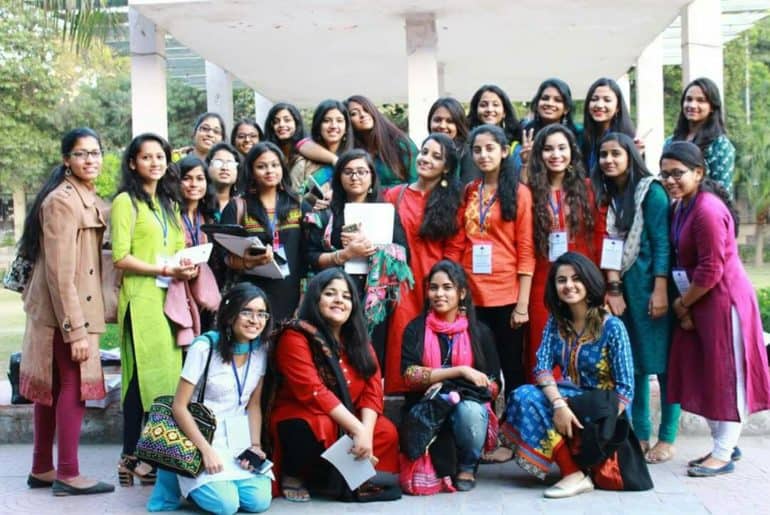
Gargi, Daulat Ram, Kamala Nehru, Lady Shri Ram, and other girls’ colleges are not just institutions of higher education for women – they are symbols of resilience and strength; they are icons of feminism. 

The role of women’s colleges is to provide a space for women to learn and grow. These safe spaces help us tap into our hidden potential, which had earlier been buried by the heteronormative gender norms present all around us. Women are acutely aware of the baggage that comes with being women. The amount of scrutiny and censure that we go through across our lives is shocking. We are so accustomed, so numb to this omnipresent censorship, that we come to know of its existence only when it has been lifted. When college life began and I came to experience the freedom that came with being in a girls’ college, then and only then did I realise exactly how much I had been stifled by the outside world. Everything from our appearance and clothing, our language and behaviour, our social habits and ways of life, invite intrigue. We are ever so conscious of every aspect of our being and existence simply because we know we are constantly judged for it. Gargi College, Maitreyi College, Daulat Ram College, Miranda House, and every other women’s college out there in Delhi University and across the rest of the country does not just represent a place where women pursue higher education; these colleges act as symbols of strength, attesting to the resilience of women.

When students protested last year in my college, I saw women beating huge drums, chanting slogans and sitting in the sun for hours, without their spirit breaking because they were fighting for a greater cause. I learnt from professors who introduced me to feminist literature and to capitalism’s role in the subjugation of women, who made me write lengthy papers on how women had been relegated to a minor role for centuries. These conversations happen in co-educational institutions of higher education and I am more than certain that most of them do an excellent job talking about the aforementioned issues. But anyone who has set foot in a girls’ college knows that the walls of these colleges hum with the words Gloria Steinem and Mahasweta Devi. Conversation about feminism and gender roles is not limited to the classroom. Society practices, canteen breaks, and casual conversation revolve around topics that are not discussed enough in mainstream media and popular culture.

Another gift that a girls’ college education gave me was the gift of real life idols and heroines. My professors with their deep sense of idealism and duty turned out to be the most admirable of people who command immense respect. There were occasions when I all but wanted to climb on top of my desk and shout “O Captain! My Captain!” because of how fierce these lectures were. College presidents, seniors, classmates all turned into real life idols who constantly served as examples of women who win. Life was one giant Pinterest board coming to life, with both interesting outfit ideas and life-changing quotes being available at the same time.

I have begun to slowly shed the decadent remains of oppressive societal norms and expectations. The environment of a girls’ college was so “woke” and aware that it changed who I was. It told me that my opinion was relevant, that I must not let small things slide by, that every jibe or sexist joke that I ignore and do not call out contributed to a larger cycle of sexism and misogyny. A greater sense of self-esteem and pride came with learning in such a positive environment. As I carried heavy desks or climbed ladders to put up hoardings and banners – tasks which I hadn’t done before because they were traditionally physically challenging tasks automatically assigned to men – I realised how gender norms had limited and caged my potential. The realisation of my physical strength is merely a metaphor for every lesson that I learnt while being in a girls’ college. The idea of certain jobs being done by men and others by women is so deeply ingrained in our culture that we don’t really question it or realise how problematic it is. Recognising gender roles and actively fighting them was another life lesson that college taught me.

But it’s not all fair and sunny in the land of girls’ colleges. These colleges are often targets of various jokes being circulated on DU-related unofficial social media pages. Girls’ colleges are portrayed as gloomy places where the greatest concern that the student body has is the absence of men. Not only do such jokes undermine what these institutions stand for but also try to distill and limit the essence of our college life to the lack of interaction with members of the opposite gender. Ergo, men continue to influence and largely dictate the narrative surrounding our colleges even when they are not part of them. Not only that, recently, certain Facebook pages sharing DU-related content have been circulating problematic posts regarding girls’ colleges. These posts at best reiterate pre-existing negative stereotypes about girls’ colleges and at worst express outright violence, ridicule, and hate. This shows how our colleges are now under the same kind of scrutiny and judgment that we once were. It also tells us that the battle is far from won.

The respite gained by entering these institutions is temporary. The walls of these safe spaces shall not be home to us forever; life will once again go back to being what it once was when we graduate. The fight for gender equality will not be won by creating safe spaces for women in every street and corner. On the contrary, by reclaiming what is ours – the streets and public spaces and parks and libraries and markets – then and only then will we be able to truly live the way we want to. When co-educational colleges start talking about gender as frequently as people in girls’ colleges do, when these discussions do not just involve and concern women, then and only then will we truly be able to live in a free, liberated environment. Then we would not need safe havens from the outside world and the need and idea of educating people on the distinction of gender will die out. Perhaps then, girls’ colleges will lose their relevance, but they would fade out with glory, their contribution to the cause of feminism and in the fight for equality being fundamental.


Feature Image Credits: Debating Society of Daulat Ram College

Kinjal Pandey
[email protected]

The Banaras Hindu University (BHU) has been on the boil following alleged molestation of a student on 21stSeptember, by three men and the university officials refused to take action and blamed the victim, instead.

What have been the circumstances?

The protest is on going for quiet afew days. This began midnight on 21st September, Thursday, after three men riding on a motorbike molested a student, pursuingBachelor of Fine Arts degree of the Mahila Mahavidyala of BHU.

The alleged molesters hurled abuses, passed lewd remarks, and touched the victim inappropriately only a few metres from where a security guard was present. The girl, the protesters said, cried for help but the security guard did not move to make an attempt.

The girl was traumatised when she reached her hostel. When her hostel-mates gave her assurance, she narrated the entire incident to them. Concerned over everyday eve-teasing and frequent molestation of the girls on the campus, a group of students of the hostel went to report the matter to the warden.

The girls complain that instead of listening to their grievances, the warden blamed the victim for the incident. “What were you doing outside your hostel so late?” the warden allegedly asked the victim as reported by India Today.

Infuriated by the warden’s moral policing and indifferent stand, the girls sat on a dharna outside his office at around midnight on  21st September. The women staged a bigger dharna at the Lanka Gate of the BHU campus on  22nd September, when Prime Minister Narendra Modi was in Varanasi.

22nd September was a stressful day:omen from other hostels and courses also joined the protest. The protesters demanded action from the Vice Chairman,Girish Chandra Tripathi, who wanted to meeta few of the protesting girls in his office chambers, as claimed by the women. “What happens is that the VC calls around 10 students and warns them against raising their demands. The students are suspended without giving a chance of resting their case. The matter ends there. We are concerned about our safety,” Akansha Singh, one of the girls who was protesting, told India Today.

Later, BHU issued a statement saying that the protest by the girls demanding safety on the campus was politically motivated. This comes into light although, unlike Delhi University or Jawaharlal Nehru University, BHU doesn’t have a students union. Teaching staff too don’t declare political affiliations.

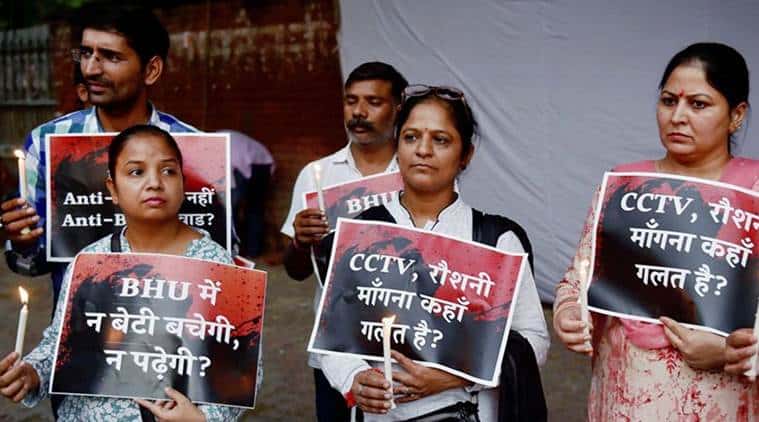
After the violence on Saturday, the girls took out a silent march. But the police apparently had an issue with this as well, brutally chasing the protesters away, allegedly with batons. Yet the girls continued to lead the march, supported by many male students as well. The demands of the students were simple – they want installation of CCTV cameras, proper lighting of the campus and gender sensitisation of university staff and security personnel.

Did the administration do anything so far?

Beside making sexist and discriminatory statements (In an interview to The Indian Express, Tripathi justified the discriminatory policies against women students, particularly with regard to hostel curfews on the grounds that, “security for boys and girls can never be at par.”),U.P Chief Minister, Yogi Adityanath sought a report from the commissioner of Varanasi on the entire episode.

The government has so far removed five officials for negligence of duty and transferred them to other places.An internal inquiry, found them responsible for alleged disturbance and violence, thus removed to ensure fair enquiry. Meanwhile, 1200 students have been booked for violence.

Chief Proctor, O.P Singh, resigned from his post, and the government appoints BHU’s first woman Chief Proctor, Royana Singh.

However, this is not a rare instance in Banaras Hindu University’s history. According to a report by Huffington Post, there has been a surge in cases related to sexual crimes and harassment in recent years, ever since the current Vice-Chancellor, Girish Chandra Tripathi, took office. In 2016, there were cases of sexual assault, including gang rape of a male student and complaints of harassment made even by female faculty members. The frequency of such severe crimes points to the authorities and administration’s lack of seriousness in addressing safety issues. This is particularly the case with women, who already face a spate of curfews and curtailment of freedoms. Calling these restrictions ‘strict’ would be a understatement, for they apparently treat adult women like tender creatures of pristineness and purity, who shouldn’t go out to for their own safety. Consider some of the statements of the Vice-Chancellor, like “Consumption of non-vegetarian food makes women impure according to the Malviya values,” “Girls who study in the night are immoral,” and “Don’t think like a journalist, think like a father. Think of what ‘appropriate clothes’ would mean to a father,’’ upon being asked what constitutes “appropriate clothes” in this Youth Ki Awaaz interview, where his sexism is on open display. Through absurd rules like no phone calls post 10 p.m., no internet connection in rooms, and deadlines on venturing out, in the name of “protecting women”, they are being robbed off their freedom. Depriving a whole section of the society from thinking for themselves and allowing them the same freedoms as men is deplorable, and it is even more shameful when it happens in the constituency of the same man who tweeted, “Women empowerment is crucial to India’s growth. Days of seeing women as ‘home makers’ have gone, we have to see women as nation builders”.  Keeping aside the dismissal of homemakers for a moment, one is presumed to think that the way things are, “nation-building” will only be done till 8p.m. – the hostel curfew time.


Feature Image Credits: The Indian Express

Rishika Singh
[email protected]

Ankita Dhar Karmakar
[email protected]

The Economics Department of Jesus & Mary College successfully conducted their annual fest – ECOVANTAGE on the 25th September 2017.
The energy of the fest reached great heights as crowds from different colleges poured in, brimming with excitement and enthusiasm!
The fest kick-started with an inaugural lecture by Professor Indira Rajaraman, providing an insight into the critical economic challenges of India. This was followed by a plethora of fun events and exciting food stalls. The International Trade Game was a first of its kind and was a huge success. The Tri-quizzard Tournament, an economics quiz, was heralded as a favourite amongst the participants.
Other popular events included Brand Tambola and Campus Surfers which witnessed huge participation. The Paper Presentation event saw wonderful submissions, pushing the bar higher than last year.
They had an online event as well, Memeopoly, where participants sent in humorous memes related to Economics and current affairs.
All in all, they received an overwhelming response and saw another year of fun yet intellectual events!


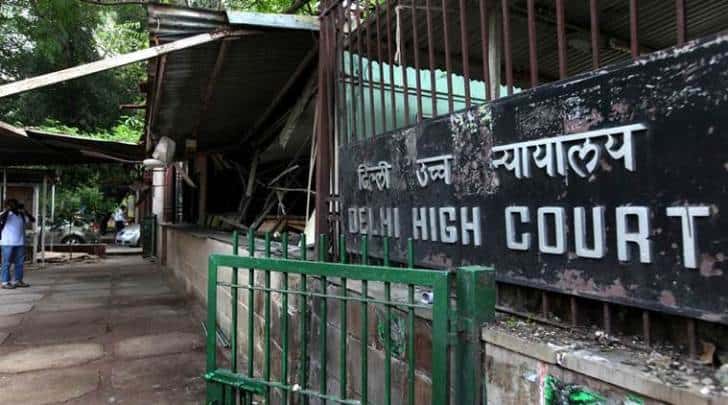
The Delhi High Court, on Wednesday, asked the Law Faculty of the University of Delhi (DU) to scrap its policy of clubbing two categories.


Delhi High Court, on Wednesday, ordered the Law Faculty of the University of Delhi (DU) to fill the vacant 301 seats for the LLB course, based on the petition filed by a group of students who failed to get admission in the last academic year (2016-17), due to the varsity’s step of clubbing the 2,310 seats with 301 seats that are actually meant for the “supernumerary candidates”.

On 28th June, the court had passed an order permitting the admission of the 2,310 students, oblivious of the fact that the university had “erroneously included” the reserved seats as well.

The “supernumerary candidates” fall under a third category that includes Persons with Disabilities (PWD), Children and Widows of Armed Forces (CW) and the Foreign Nationals (FN). As reported to The Indian Express, the bench consisting of Acting Chief Justice Gita Mittal and Justice C Hari Shankar were quoted saying, “It is submitted that DU was required to admit 301 candidates in the reserved categories as supernumeraries over and above 2,310 seats”. It also came to their notice that this admission process has been in existence and in practice since the year 2008.

“It appears that this submission is incomplete….as the undisputed factual position placed before us is that since 2008 till 2015-16, DU was admitting 2,310 students as well as additional supernumerary candidates for the PWD/CW/FN”, the bench noted.

Furthermore, according to report, the cut-off date of 31st of August will not come as a restriction to the admission of the concerned candidates.

Feature Image Credit- The Indian Express


Shrija Ganguly

[email protected]

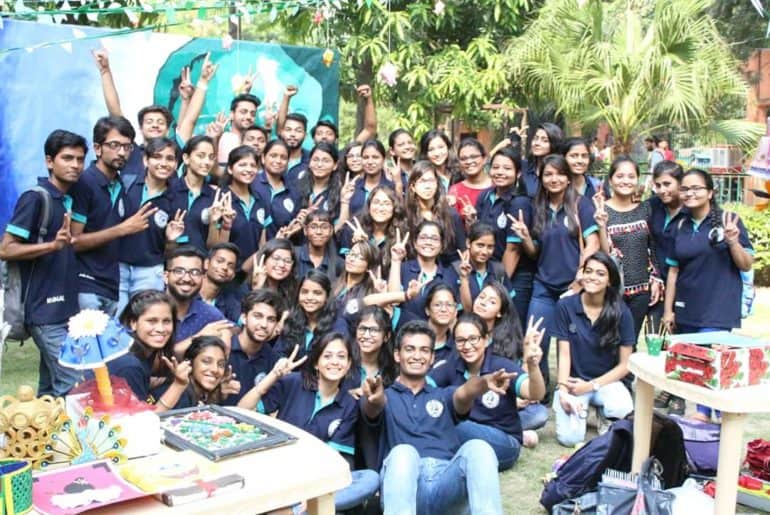
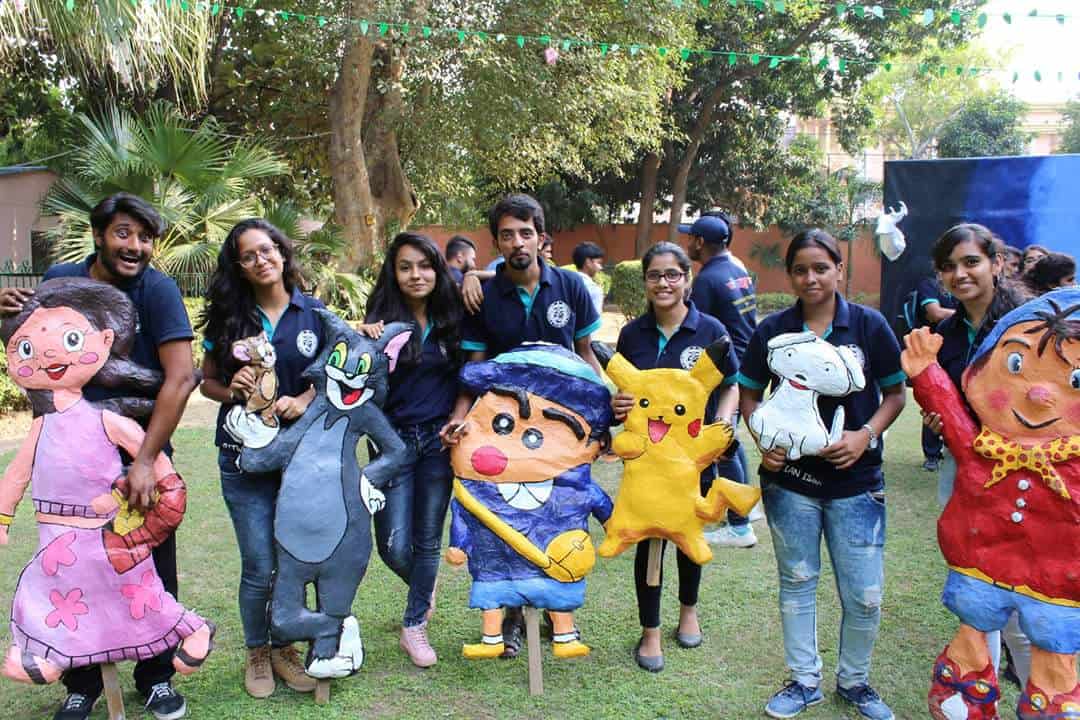
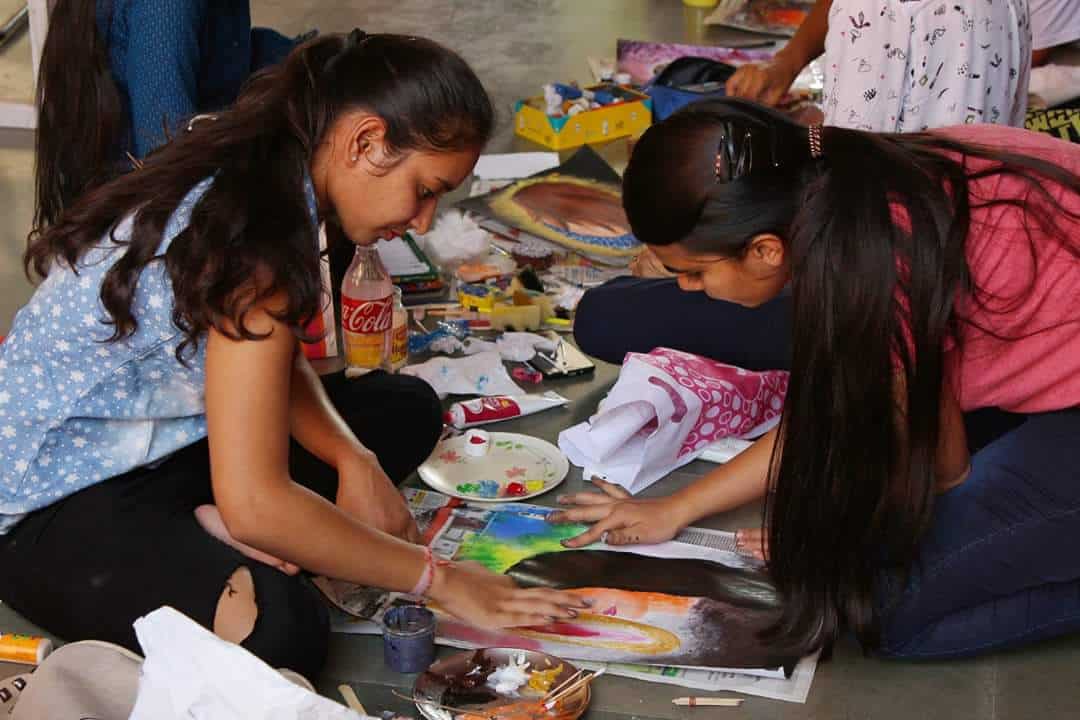
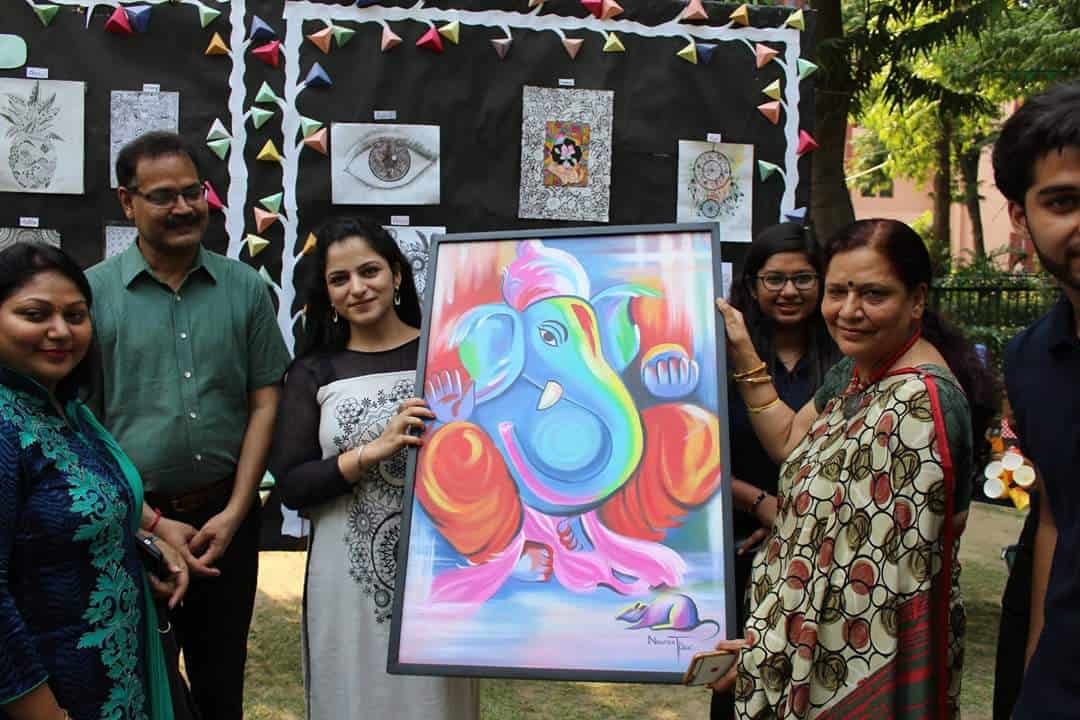
Vibgyor, the Fine Arts Society of Shivaji College, in association with sponsorship partner Shopper’s Stop and media partners DU Beat, DU Express, DU Vibe, and DU Updates, was successful in conducting their second annual fest, Acrylica 2.0, on 20th September, 2017.
fb_img_1506716981861 fb_img_1506717216607 fb_img_1506717227680 fb_img_1506717268481
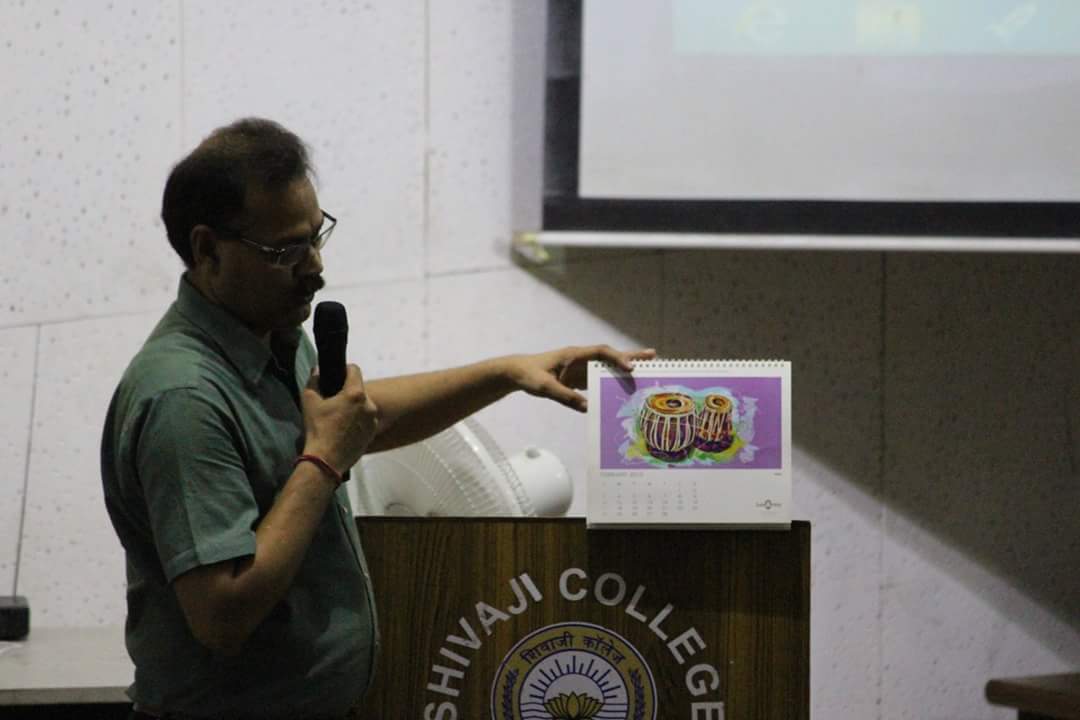
Starting from competitions to the workshop conducted by Mr. Abhimanyu Sinha to exhibition, there was never a dull moment for the participants. They also introduced their first online competition, Sketch-Doo-Paint, reaching new heights. Digitoons, the workshop by Mr. Abhimanyu Sinha, a Digital and Political Cartoonist, gave an insight to what Digital Cartooning is all about through live showcasing using the medium of Adobe Illustrator and Adobe Photoshop.
fb_img_1506714757858 fb_img_1506715176726
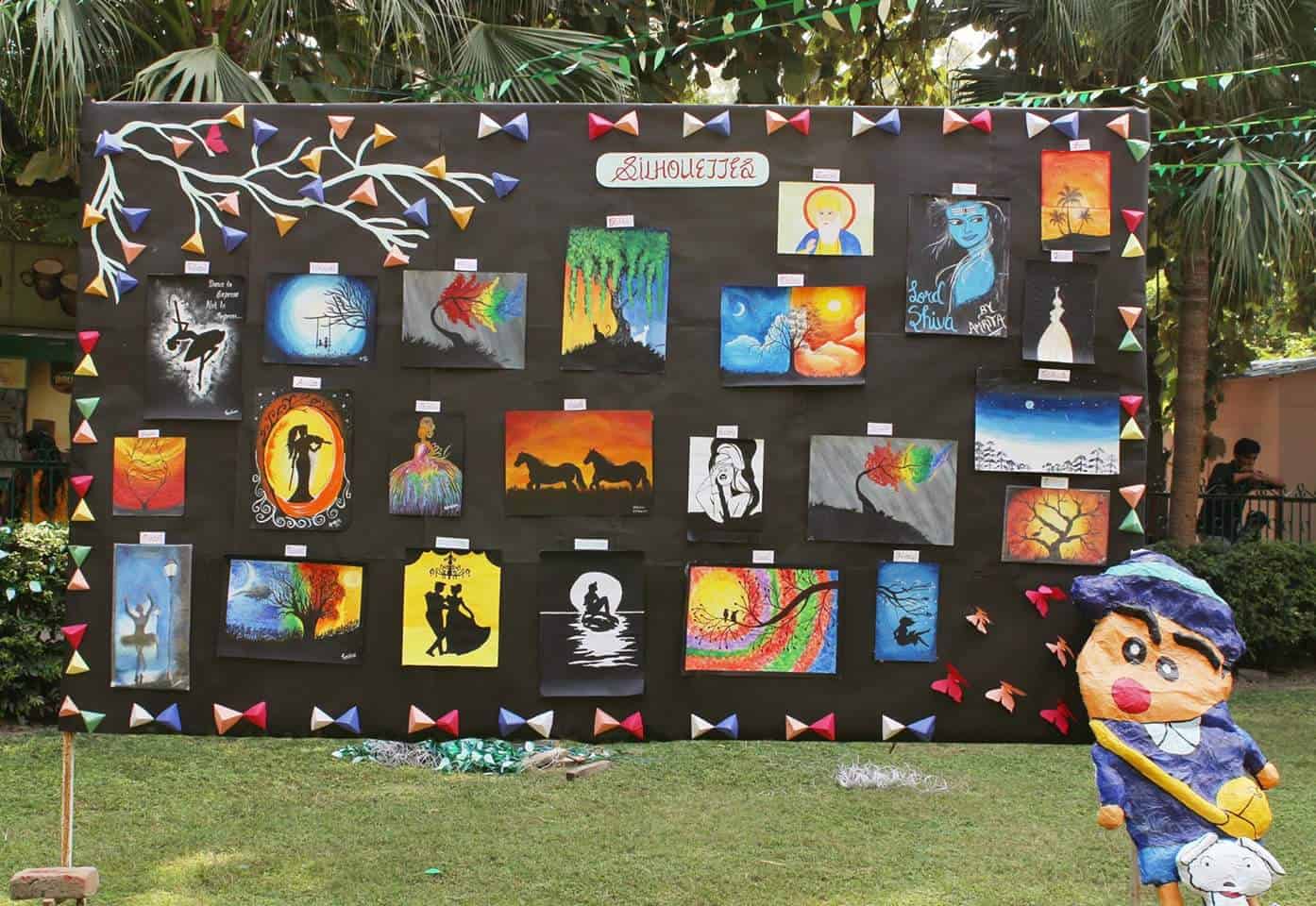
The event ended on a relaxing note with everyone admiring and enjoying the exhibition put up by the society members.
fb_img_1506717035688

In light of the recent Banaras Hindu University controversy comes to mind the question of moral policing and gender. Different in-times in college hostels for boys and girls show how the administration tries to morally police women. The fear of female autonomy and expression of sexuality is so deep; it makes colleges implement these sexist rules and guidelines in order to curb them.

Seemingly liberal colleges, where conversation around feminism and gender is never lulled, have restrictive hostel timings or a different in-time for boys and girls (not officially but in implementation). The in-time for Daulat Ram College’s hostel is 7:30 PM, for the Miranda House Hostel, is 8:30 PM, for the Rajiv Gandhi hostel for women, is 9:30 PM as is the Hindu College girls hostel. Timings for Men’s hostels are also somewhat similar but the difference is they are never really enforced. The Post-Graduate Men’s (PG Men’s) hostel for instance on its prospectus has an in-time of 10:40 PM but according to sources, the in-time is never followed. Srivedant Kar, a resident of PG Men’s hostel says that while the prospectus reads 10:30 PM, there really isn’t an applicable in-time there. He mentions that the PG Men’s hostel is “open 24*7”. A resident from Rajiv Gandhi Girls Hostel, who would like to stay anonymous, says “The in-time is 10:00 PM and it is strictly implemented”. Hindu College offers hostels to both boys and girls but here is how both are treated differently. According to Muhammad Daniyal Ubaidullah, a student of Hindu College “Boys’ in-time is hardly a reality, as in, it is not enforceable at all. Girls hostel is strictly around 10:30, I think”. Kirori Mal College (KMC) hostel’s in-time is 11:00 PM ( please note-three and a half hours later than DRC, two and a half hours later than Miranda). When I asked an acquaintance living there if the in-time was implemented his reply was “not really”.

Two people from a similar age group are allowed radically different levels of independence. So, if a girl gets back to the Daulat Ram College hostel at 8:00 PM instead of 7:30, she may have to go through disciplinary action, humiliation, and child-like admonishment but if he were a boy living in either the Hindu College boys hostel, KMC boys hostel or PG Men’s hostel, he would have the liberty to walk in as and when he pleased. This system which allows one eighteen-year-old boy to be out all night but expects another eighteen-year-old girl to inside the hostel premises by 7:30 PM sharp is shameful and sexist. It is these kinds of discriminatory laws that infantilise women. It reiterates that women are incapable of taking care of themselves and should be indoors before it gets dark.

The idea of a woman being out at 10:30 PM was apparently so threatening, so unsettling that administration nipped this problem in the bud itself. The radical difference between how boys and girls hostels are treated highlights a deeper problem. The underlying root of this form of strict discipline enforcement is moral policing. This moral policing stems from a) a fear of female independence and b) an attempt to control women and curb their decision-making power. If a university willingly chooses to limit the choices the women studying there can make, we have a problem at our hands.

Here is how these discriminatory timings play a greater role than they seem to have. Every time a girl needs to rush back to meet her 7:30 or 8:30 PM deadline while her male counterparts continue to be out, it reminds her of how societal perception of what girls should do and how they should behave has still not changed. This mould of a “good girl” that’s so aggressively marketed by college administrators, movie makers, and pop culture subconsciously affects us, one that is idolized, glorified, put on a pedestal if reinforced by these ridiculous timings. Those who choose to speak out and rebel are often problematically labelled as “feminazis” (casual usage of the word “Nazi” is insensitive).

Here is another dangerous idea which is behind these ridiculous in-timings, the idea that women will be “unsafe” at night and therefore need to be actively protected and locked indoors. It is this restrictive in-time that stops women from “reclaiming the streets” so to speak. If women won’t be allowed to step out at night, the idea that women are unsafe after dark will only strengthen. That part in Jab We Met where the ticket conductor compares a woman a lone woman to an open box of riches, ready to be ravaged, was not funny then and is not funny now; simply because it hits home. Because I know that isn’t some random dialogue in a random film that will not matter the second I step out of the theatre. That sentence defined and reflected the beliefs of our society at large. The fact that in a place like the University of Delhi, one of the most “woke” institutions in India allowed such outright discriminatory rules to stand and gave men a free pass while caging women shows how little is progress that we have made.

It is imperative that authorities recognise that this form of moral policing does a gross injustice to the young women whose idea of self they are meant to shape and positively influence. Universities across the country need to stop acting like the self-anointed guardians of women. When we don’t question the reasoning behind these chauvinistic rules, we give them legitimacy. Rules that reinforce age-old problematic norms about women, try to constrict their freedom and independence should be actively questioned and fought against.

Image Credits: The Hindu

Kinjal Pandey
[email protected]