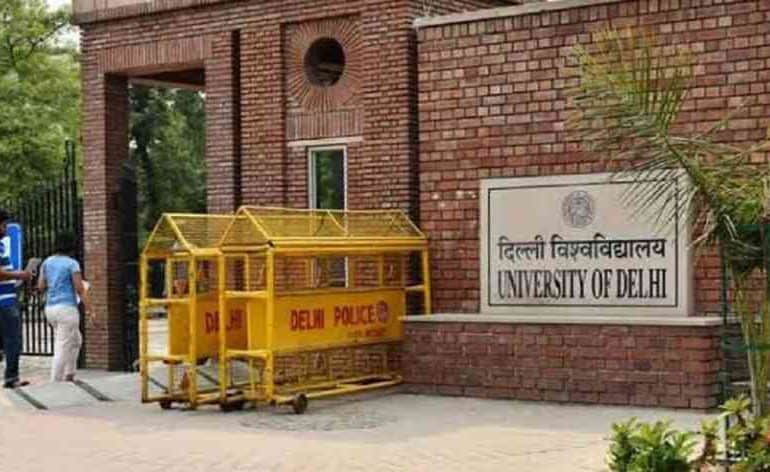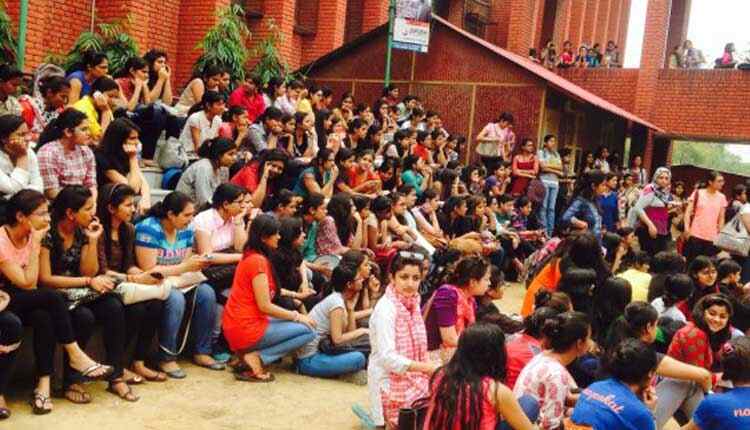
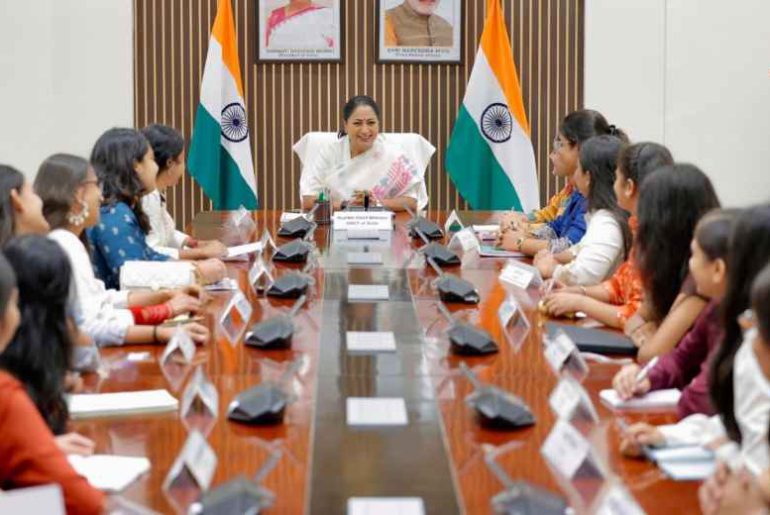
CM Rekha Gupta held a meeting with DU women representatives from various colleges to discuss topics of travel, safety, and educational facilities while promising rapid improvements.
Chief Minister Rekha Gupta interacted with DU students and female representatives from various colleges on October 12th at the Mukhyamantri Jan Seva Sadan. The session highlighted the importance of the inclusion of young people while incorporating their perspectives and ideas into administrative policymaking. The youth of Delhi represent a significantly valuable resource for the country’s socio-political development. The discussions addressed many important topics related to women’s safety, such as campus safety, public transport, and educational facilities.
At the meeting, many students shared their personal experiences and suggested definitive measures such as periodic safety audits across all educational campuses, an increase in the number of female police personnel, and adequate street lighting while simultaneously illuminating the dark spots near the campus and student housing areas. Discussions on the regular accessibility of Pink Booths were given adequate attention. In response to these constructive remarks, the Chief Minister assured the students that their concerns would be properly addressed with necessary action.
To address these safety issues, Rekha Gupta addressed the students, saying that the work for installing around 1 lakh streetlights is currently underway. These lights would be connected with the Integrated Command and Control Centre. Under an annual maintenance contract, agencies would be required to repair non-functional lights within a specified timeframe. She said steps to improve lighting near colleges would be taken in coordination with local agencies and college administrations.
To tackle security issues outside the jurisdiction of the colleges, Rekha Gupta asked the students to use the emergency helpline number, 112, to seek police assistance in an emergency. Furthermore, for internal auditing within the institutions, women representatives suggested setting up safety committees in every college comprising the principal, student representatives, and local police officers.
Transportation was also a key topic that was brought up in the discussions. Better DTC Bus connectivity and University-Provided Bus Connectivity for off-campus colleges, regular stops at designated locations, regulated e-rickshaw operations, and stronger security around paying guest accommodation.
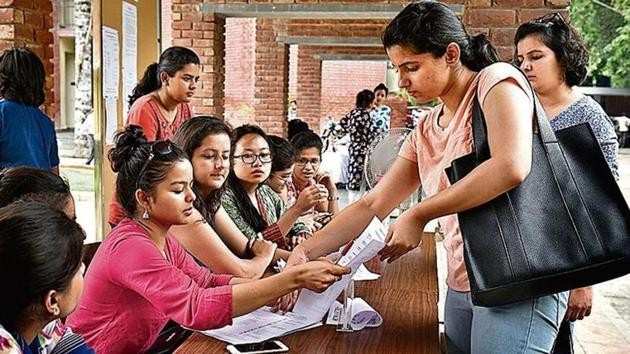
Students and representatives from Lady Shri Ram College, Gargi College, Daulat Ram College, Jesus and Mary College, Maitreyi College, Aditi Mahavidyalaya, Bharati College, and Janki Devi Memorial College attended the meeting. For further developments, CCTV surveillance and grievance redressal at college levels were also demanded by the student representatives, the Delhi Chief Minister’s Office said in a statement.
To facilitate quick and reliable communication measures, WhatsApp groups would be created to establish a reliable coordinating system between the students and the officials that would always remain active, enabling students to share their concerns directly. This platform would also help the students feel encouraged to speak up about their issues and concerns directly to the official authority. Thus, this framework is very important to create a 2-way relation that acts as a bridge to cater to every scenario and help find a proper solution for all the safety demands from students from all campuses.
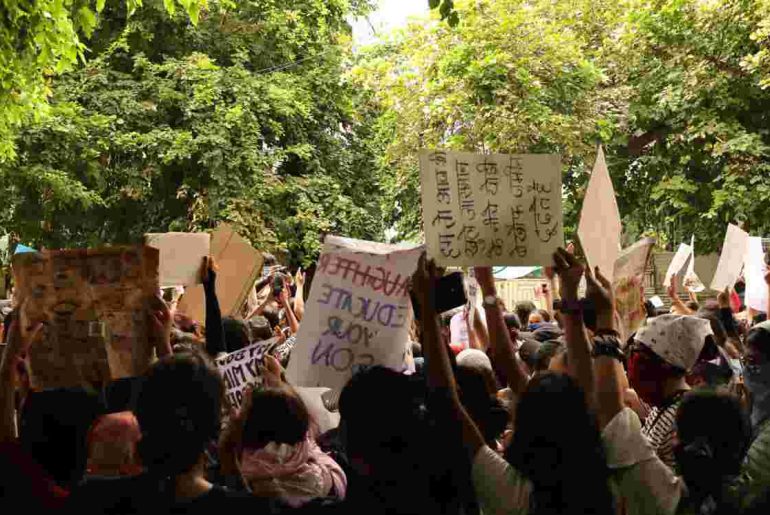
In lieu of the concurrent frameworks and protests, the CM assured that if a complaint is not addressed at the appropriate level, students can also approach senior police officers and officials of the concerned departments. Therefore, removing the unseen barriers that affect female safety. She emphasised that effective grievance redressal would be executed while ensuring students’ safety remain priorities for the government.
For a major portion of young women in this country, education is an incentive rather than an indispensable right. This is not just a paved pathway for education, but sometimes the only means to become truly self-dependent and instil confidence. Therefore, by addressing and solving such coherent safety concerns, the youth of this nation can continue to work towards their goal without any unnecessary barriers. The session served as a reminder that meaningful youth participation begins with attentive listening and continues through sustainable action in response to dialogues.
Image Credits: impressivetimes.com
Read Also: The Perfect Protests Don’t Exist
Rajarshi Ghosh