
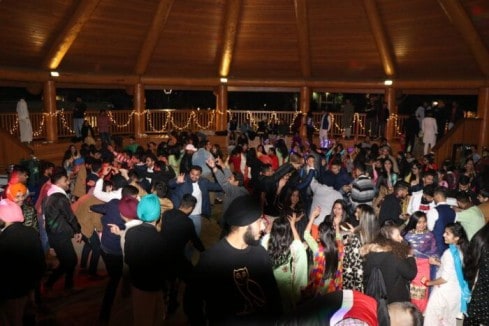
Social media commercialises celebration, turning curated festivities into aspirational standards that fuel consumerism, financial exclusion and dissatisfaction with our everyday realities.
Shiny lights, gorgeous outfits with colour-coordinated heels, make-up that could give the Kardashians a run for their money, aesthetic photos with the perfect caption and song, and a large gathering of friends. This is a remote glimpse of what our algorithm looks like around Diwali, Halloween or any other mainstream festival. We consume it several times a day owing to the accessibility that social media gives us. Without much thought, we can recognise this overarching narrative of what a ‘perfect’ and ‘bougie’ way of celebrating looks like.
But what is the problem with this? After all, every generation had some standard to look up to; for some, it was magazines, for some, Bollywood celebrities or just the popular group of the town. However, the manifestation of the current narrative distinguishes itself by instilling an inescapable sense of the need to fit into it because of the legitimacy the social pressure attaches to these experiences. This can be attributed to the commercial marketing and hyper consumerist culture from which social media profits. In this journey of striving, we tend to normalise things that are otherwise difficult to achieve.
Most of us, as students, do not have the financial capacity to host these parties or pay for the best outfits, food and alcohol, as most of us already run on limited allowances, most of which are spent on paying exorbitant rent. There is intersectionality attached to this as well. In the Indian society we are in, women and girls are often not allowed to stay till late or attend parties altogether, often justified to us in the name of safety while never addressing the underlying injustice. When we fail (which we often do) to ‘enjoy’ to the level that social media wants us to, we often pity ourselves or feel sad about the realities and limitations that we face. Feeling aspirational is not an issue, but in most instances that is not the case; it’s the prevalence of a self-created void which makes us feel uneasy pessimism that forms a more fundamental problem.
Image Source: Nexus Newspaper
Read Also: Next Haul on Hold, Please!
Divyanshi Dusad
[email protected]




Comments are closed.