
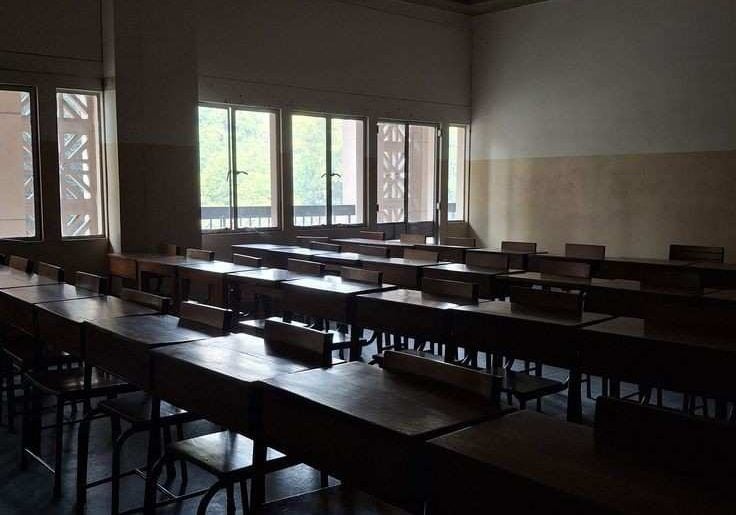
Delhi University is left with 13,433 unfilled undergraduate seats after completing its regular admission rounds, a figure considerably higher than the 9,000 that remained vacant last year. CUET, college location, and declining interest in language programmes are all part of the picture.
Delhi University concluded its undergraduate admission rounds for 2026–27 with 13,433 seats still unfilled across 67 colleges, according to data released by the university on 25th August 2026. The figure is considerably higher than the 9,000 seats that went vacant last year, and this year, DU has not held a mop-up round, which in previous cycles provided an additional opportunity to fill remaining seats.
The pattern of vacancies is spread unevenly. Five colleges account for nearly a quarter of all unfilled seats: Bhagini Nivedita College in Najafgarh leads with 843 vacancies, followed by Swami Shraddhanand College with 773, Aditi Mahavidyalaya in Bawana with 650, Shyama Prasad Mukherji College for Women with 467, and Kalindi College with 464. Meanwhile, Hindu College has just 28 vacant seats, SRCC only three, and Hansraj and Kirori Mal considerably fewer than off-campus colleges.
The category breakdown is striking. Of the 13,433 vacant seats, 10,438, or 77.7 per cent, fall under OBC-NCL, SC, ST and EWS reservations. ST seats alone account for 18.4 per cent of all vacancies.
DU Registrar Vikas Gupta attributed the vacancies to factors that pre-date CUET, arguing that off-campus colleges and language courses have historically attracted fewer students. He maintained that CUET had, if anything, expanded access to sought-after colleges by allowing students without perfect Class 12 scores to compete. Faculty members are less persuaded. DU professor Rajesh Jha, a former member of the Executive Council, questioned whether reverting to Class 12 marks for some admissions, which DU has now done, undermines the very premise of a common entrance test. “Now, in the same class, some students will come through CUET and others on the basis of Class 12 marks. How is this a level-playing field?” , he told The Print.
College officials point to the centralised upgradation system as a structural driver of vacancies. Under this system, students can move to higher-preference colleges when seats open up, triggering large-scale movement after each allocation cycle. At Dyal Singh College, around 800 students left after each of the first two rounds despite the college completing near-full admission both times. At Bhagini Nivedita, almost all seats filled in the first round subsequently became vacant due to upgrades.
Course-wise, B.A. (Hons.) Hindi has the highest vacancies at 1,455, followed by BCom at 937 and BA (Hons.) Sanskrit at 911. The B.Com figure is notable: vacancies in a commercial programme at this scale suggest the problem extends beyond declining interest in language subjects alone.
In response, DU has allowed colleges to admit students through Class 12 marks. From 1st September, this option will be extended to all DU colleges.
Image Source: DU Beat
Read Also: Delhi Students Join Hands In Search For Missing Loved Ones Amidst Nepal Floods
Rishika Jain
[email protected]