
Apart from being the biggest tournament in the world of football, the FIFA World Cup is also a celebration of heritage and cultures from across the world. From the quiet respect of Japanese fans practising atarimae to the roaring Viking row of Norway, the sartorial statements of the DRC, and Cape Verde’s astonishing underdog run to the knockout rounds, discover how the beautiful game united diverse nations. The tournament featured countless memorable moments, only a few of which are captured in this article.
The FIFA World Cup comes back to us every four years and brings with it a passion and love for the game like no other. Every four years, the world gathers to witness the magic of football. It accepts everyone—the seasonal fans, the die-hard football lovers, the loyalists, the fans who support every other team, and even the ones who do not really understand the rules of the game find themselves drawn towards any screen broadcasting the matches. This is what sets the FIFA World Cup apart from many other major sporting tournaments. It’s not just a battle of who reigns supreme on the field or has mastery over controlling the ball; it undeniably brings the world together. After all, football knows no borders.
But beyond goals, the FIFA World Cup 2026 offered us so much to look at and ponder over. It truly has been one of a kind. From it being the only football World Cup with 48 countries competing to an American classic Super Bowl-style halftime show being introduced for the final match, the audience has been kept on their toes the entire tournament!
This World Cup has been home to many “firsts”. Starting with the hosts themselves. For the first time in the history of the FIFA World Cup, three countries—the USA, Canada, and Mexico—had the opportunity to host the tournament in collaboration with each other. The list doesn’t end there. The number of countries competing in the tournament was also the highest that it has ever recorded. This year, a grand total of 48 teams were competing for the golden trophy. For some tiny nations, it was their first appearance at this international jamboree of football; for others, a return after a very long absence. Countries like Curaçao, Cape Verde and Bosnia and Herzegovina got their names recorded in the list of countries playing the World Cup for the first time.
With fans from all across the globe filling stadiums, what grabbed more attention than the bright and colourful national flags being waved around every corner was, undeniably, the rich cultural heritage and idiosyncrasies celebrating the beautiful game.
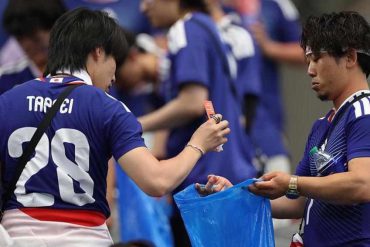
Every country harbours in itself a distinguished way to celebrate victory or show support. The USA is often associated with loud and expressive celebration. But Japanese fans who travelled around the world to support their national team playing in the tournament performed something that earned huge respect from others. They showed their support and love in a quiet, dignified way. It would be wrong to assume, however, that Japanese fans aren’t vocal enough or fierce in their support. Terrifying face paint, showing up dressed as fearsome samurai, and even cheering their team with gusto are testimony enough. But at the end of every match, regardless of the result, we have seen them stay behind to clean up after themselves, producing plastic bin bags seemingly from nowhere and leaving the stadium as they found it. This habit reflects their deeply rooted philosophy of atarimae (things that are naturally expected) and meiwaku (avoiding causing trouble to others). The Japanese, in this way, paid their respects to the venue, the host and fellow attendees. This is not their first time practising it; the Japanese have been doing this ever since their debut in the FIFA World Cup in 1998.
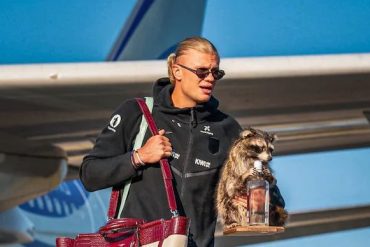
In the list of the countries that returned to the World Cup after long years of not qualifying, the Norway national team remained undefeated when it came to capturing the hearts of its audience. Be it the 6’5″ striker of the team quickly becoming the most beloved star of the netizens or their beautifully blended cultural heritage while celebrating, the team has undoubtedly got us wrapped around their fingers. Their Viking row celebration was arguably the hit of the tournament. Devised by fans in a pub back in Oslo based on the legends of Norse seafarers, the celebration showcased a wonderful tapestry of Norwegian heritage, folklore and passion for the game. Executed with equal gusto and passion by both fans and players, the call of the Norse horn, blown to announce it was about to begin, sent a ripple of excitement around the ground. Beyond this, fans won American hearts by embracing the local culture just as their own. Social media couldn’t get enough of star striker Erling Haaland buying cowboy boots and hats in Texas and his return to Oslo with a taxidermied raccoon under his arm.
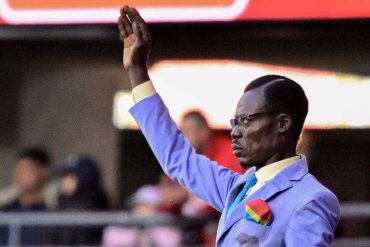
If we are talking about capturing the centre stage at the 2026 FIFA World Cup for cultural and historical benchmarks, it would be extremely unfair to not talk of the Democratic Republic of Congo. The country last appeared in the tournament in 1974, when it was known as Zaire; after that, it had a long hiatus. Ruled by the then President Mobutu Sese Seko, who was famous for his leopard-skin caps, the team got the look upon their touchdown in Houston, styling it out in custom-tailored black suits featuring bold leopard-print panels and lapels and throwing down a sartorial marker. But such a peak fashion statement is not where it stops. They had fans scurrying into history books with the sight of superfan Michel Kuka Mboladinga’s standing statue still on a plinth for every minute of their matches.
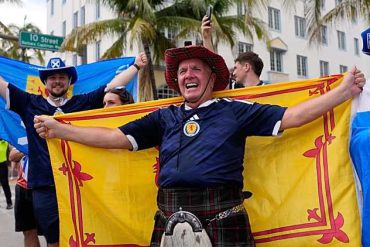
Despite having quite an underwhelming tournament, Scotland had its fans winning over Americans with their antics of celebration culture. It was the first time the Tartan Army’s team had made the World Cup finals for 28 years, and they were determined not to let go without enjoying themselves. Boston witnessed the Scottish fans take over the city within days of arriving—drinking bars dry, putting traffic cones on statues’ heads, leading locals on a merry dance through the parks and public places of Boston, invariably accompanied by bagpipes. Beyond their little antics of putting cones on top of statues lies a lesser-known Scottish ‘tradition’. This tradition is known to have started in the 1980s in Glasgow as a late-night, drunken prank with the equestrian statue of the Duke of Wellington outside Glasgow’s Gallery of Modern Art getting “crowned”. This soon turned out to be seen as an unofficial symbol of Scottish culture.
For 96 years, the FIFA World Cup had never witnessed the ground getting converted into a temporary stage for singers during half-time. A half-time show specifically. The World Cup final has religiously followed the same routine at half-time ever since it was established: punditry, tactical analysis, and players regrouping in the tunnel. But this year, the New Jersey stadium shook fans across the world with an intense lineup starting with Madonna. The other headliners of the show were Shakira, BTS, and Justin Bieber, with Burna Boy, Venezuelan conductor Gustavo Dudamel, the PS22 Chorus, and Coldplay.
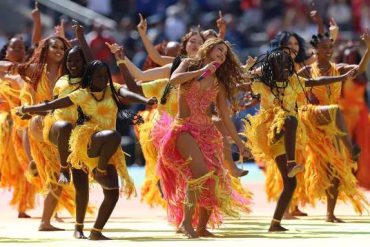
FIFA president Gianni Infantino spoke on the show,
“As the world unites for the most significant football match in history on Sunday, 19 July 2026, at the New York New Jersey Stadium, this groundbreaking spectacle, curated by Chris Martin of Coldplay, will celebrate football, music and our shared values, ensuring a legacy that transcends the final whistle.”
However, all this glamour didn’t go without heavy criticism. Sports medicine experts and football officials have warned that prolonged breaks can disrupt players’ physical rhythm, and IFAB has previously stated that extending halftime could negatively impact player welfare and safety because of the longer period of inactivity, potentially increasing the risk of injuries when play resumes. More critics argue that this move has drawn comparisons to the Americanisation of football, while broadcasters like the BBC and ITV were initially reluctant to air the show, preferring their usual halftime analysis before agreeing to broadcast it. Now, will this become a newly added tradition to the FIFA World Cup final? The question remains.
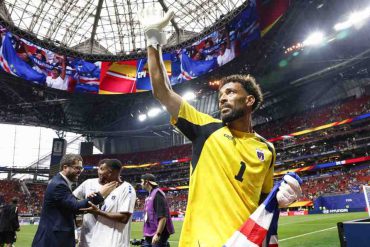
Lastly, the piece would remain incomplete without a note on the tiny island nation and the most captivating underdogs—Cape Verde. They have not just played the matches with diligence and a top-notch game plan but have created a history that will be remembered for years to come. They defied multiple odds to become the smallest country to earn a spot in the World Cup knockout round. With a team cobbled together with journeymen who plied their trade in the lower leagues of Europe, this band of misfit brothers held the mighty Spain to a draw in the group stage. The Cape Verdean belief that hard work and dedication will one day be rewarded was perfectly captured in the story of the side’s 40-year-old goalkeeper, Josimar José Évora Dias, better known as Vozinha. We witnessed him make 18 saves across four matches that the team played, making it difficult for international superstars like Vinícius Júnior and Lionel Messi to get past the last line of defence. Upon the team’s return to Cape Verde as nothing less than heroes, Vozinha was honoured with a newly discovered sea slug named after him.
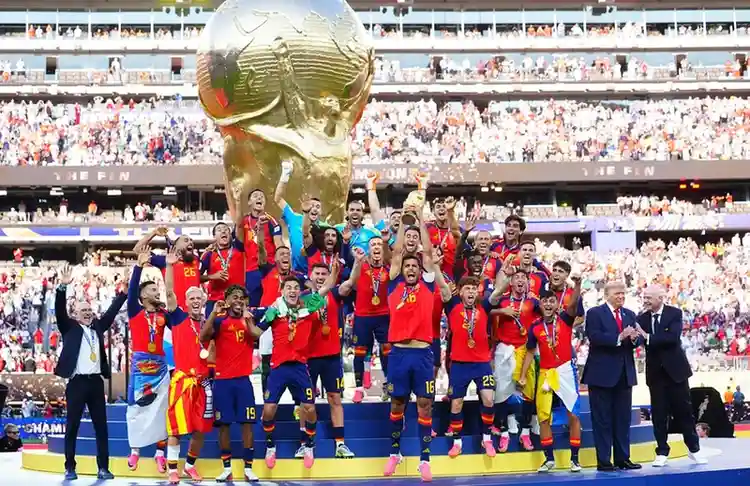
And just like that, the tournament has come to an end with Spain lifting the golden trophy, but more than that, for 39 days the matches have lifted the mood of its fans by bringing tremendous joy, passion, and love for the game. The tournament doesn’t only showcase goals or incredible saves but rather works as a platform blending together cultures, traditions, and celebrations from all over the world.
Image Source: Getty Images, Alamy
Read Also: New Media “Slopganda”: The Politics of a Fruit Fetish
Chandrani