Delhi University plans a portal to track PG accommodation details and improve student housing safety following the Satya Niketan building collapse.
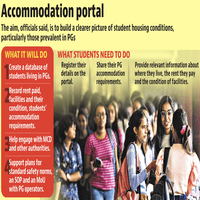
Delhi University (DU) is planning to develop a dedicated portal to collect information about students living in paying guest (PG) accommodations, including rent, facilities and living conditions. The move comes weeks after a five-storey building in Satya Niketan collapsed on September 6, killing seven people, including DU students, and leaving five others injured.
According to a report by Hindustan Times published on October 16, the portal will allow students to register their accommodation details and requirements. The university plans to use this information to coordinate with authorities, including the Municipal Corporation of Delhi (MCD), and develop safety standards for PG operators through a memorandum of understanding (MoU).
An eight-member committee was constituted on September 9 following the collapse to examine student accommodation near the university and its colleges. Professor KP Singh, a committee member and head of DU’s Postgraduate Men’s Hostel, told Hindustan Times that while the university maintains records of students living in hostels, similar information about those staying in private PGs is not readily available. The committee plans to collect details about students’ locations, rent and living conditions before consulting relevant authorities on a standard operating procedure (SOP).
Separately, the Delhi government is developing a centralised portal to map student accommodation across the capital. A report by The Indian Express published on October 9 said a high-powered committee chaired by Education Minister Ashish Sood had formed a sub-committee to examine regulatory restrictions affecting PG facilities under the Master Plan for Delhi and the Delhi Municipal Corporation Act, 1957.
The government has also proposed joint inspections of 100 PG facilities by the MCD and the Delhi Development Authority (DDA). Other proposed measures include CCTV coverage at entry and exit points and common areas, with 40–45 days of recording backup, while keeping personal spaces private.
The committee has also proposed converting around 65 vacant Type-I employee flats at DU’s Reids Line and Dhaka campuses into student housing. Six renovated flats have already created space for approximately 25 students, with allotments expected to begin on November 1.
The recommendations and draft MoU are expected to be submitted within a month. However, the real challenge will lie in implementing these measures effectively and ensuring that students living in private PG accommodations have access to safer, affordable and better-regulated housing.
Read Also: Delhi Government Holds Meeting With PG Owners to Ensure Student Housing Regulations
Image Credit: HT Digital
Manzil Chaudhary