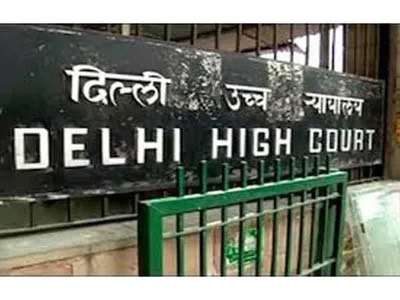
Delhi High Court questions delays in appeals challenging the order on disclosing Prime Minister Narendra Modi’s Delhi University degree details, directing the university to respond within three weeks. It has listed the matter for hearing on January 16, 2026.
A Bench comprising Chief Justice Devendra Kumar Upadhyaya and Justice Tushar Rao Gedela directed Delhi University to submit its reply within three weeks to the applications explaining the delay in filing the appeals. The matter has been listed for the next hearing on January 16, 2026.
The appeals were filed by Right to Information (RTI) activist Neeraj, Aam Aadmi Party (AAP) leader Sanjay Singh, and advocate Mohd Irshad. They challenged the August 25 order of a single judge, which had quashed a Central Information Commission (CIC) directive that required Delhi University to disclose details of Mr. Modi’s 1978 Bachelor of Arts degree.
During Wednesday’s proceedings, the petitioners’ counsel argued that the single judge’s order contained fundamental errors and required judicial reconsideration. However, the Bench noted the delay in filing the appeals and emphasized that the issue of condonation of delay must be addressed before proceeding with the case.
Solicitor General Tushar Mehta, representing Delhi University, was asked by the court to file objections to the applications seeking condonation of delay. “We need to condone the delay first. File your objections,” the Bench directed.
The controversy stems from a 2016 RTI application filed by activist Neeraj, seeking inspection of records of students who completed their B.A. degree in 1978—the year Prime Minister Modi is said to have graduated. The CIC had, on December 21, 2016, allowed the inspection of these records. However, the decision was later challenged by Delhi University.
On August 25, the single judge had ruled that merely holding public office did not make all aspects of an individual’s personal information subject to public disclosure. The order emphasized the right to privacy, stating that such information could not be demanded simply because the person occupied a high position.
The issue continues to attract public and political attention, as it sits at the intersection of transparency and privacy—testing the limits of the Right to Information Act in relation to public figures. The court’s next hearing in January 2026 is expected to determine whether the petitioners’ appeals will proceed on merit.
FeaturedImageSource: The Tribune
Richa Choudhary