
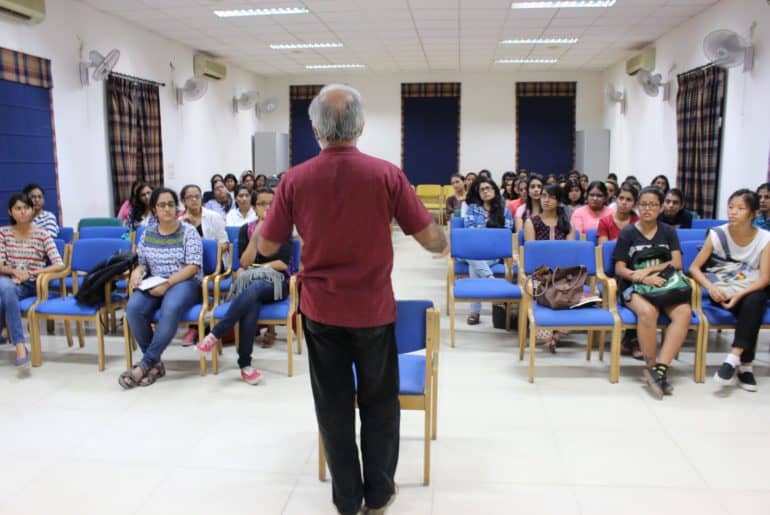
Celluloid, the film society of Miranda House organised an interactive session with the award winning filmmaker, Pankaj Butalia. Co-incidentally, Pankaj Bataulia as a student was co-founder of a film society which shared the same name, Celluloid.
His documentary, The Textures of Loss, an account of the sufferings of Kashmir and Kashmiris was also screened a week before this session. The documentary is second in his trilogy of documentaries about the conflicts in India with Manipur Song being the first and A Landscape of Neglect being the third and final parts. The interactive session held on 2nd of September, started off with a brief lecture by the speaker which was followed by questions and general comments.
A wide range of topics were discussed during the session.
The speaker began by elucidating on the craft of film/documentary making. Humorously engaging with the issue of censorship, Mr. Pankaj Butalia informed, “I was asked to put disclaimers stating that I do not subscribe to the views expressed in this documentary “. The speaker talked about foreground narratives, tailoring, and filtered voices in a documentary. Trust building with the subjects of the documentary was explained by the speaker through his experience with the widows of Vrindavan for his acclaimed film, Moksha (1993.)
A discussion followed, whereby the Kashmir conflict was compared with other conflict-ridden areas such as Manipur. The discussion highlighted the differences in the modes of resistance in these areas as well as the role of women in such protests. In this context, the example of naked protest in Manipur was remembered to highlight a sense of empowerment that the Manipuri women had. These voices, as was concluded, often get stifled in Kashmir because of the shrouds of shame. The questions which were asked not only facilitated understanding but helped in dealing with popular misconceptions about the ironies of nationalism and patriotism too.
The discussion ended with an explanation of motifs and images in films. It was said of some images that their irrelevance and silence is in fact the voice of such moments.
Celluloid was overwhelmed by the response and outcome of the event. The society’s vision for this session in the words of its president is to, “screen movies which are not very publicized but the content and the thought behind them is worthy of appreciation.”
Tooba Towfiq
[email protected]
Image Credits: Jasmine Chahal
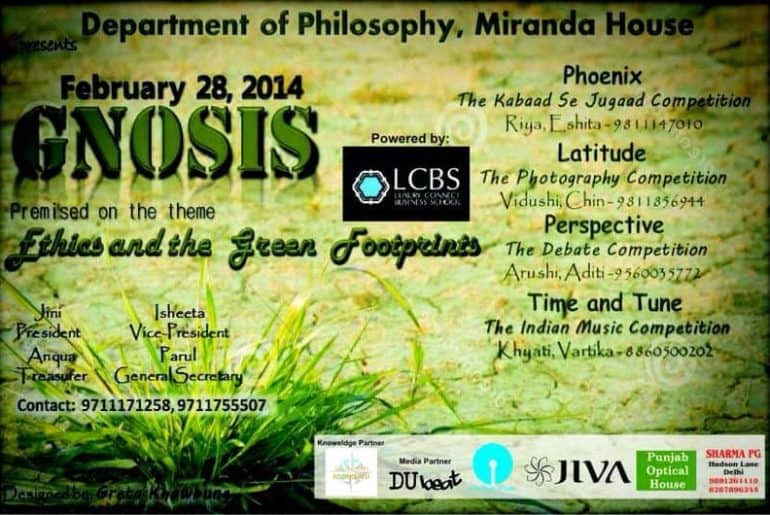
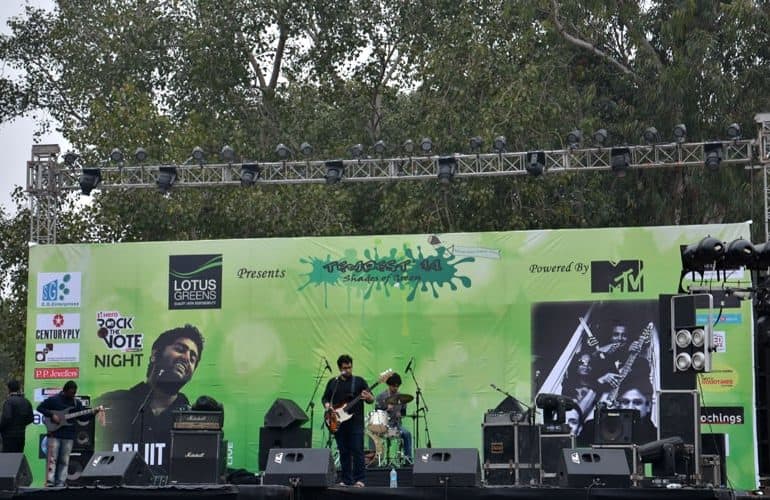
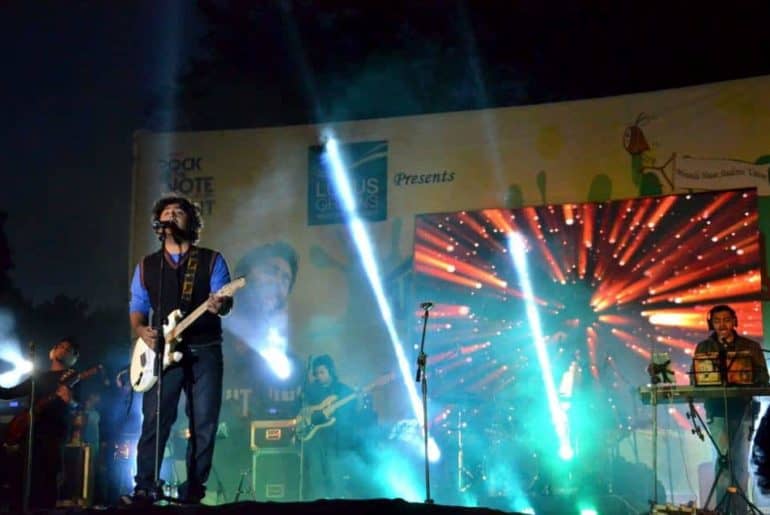
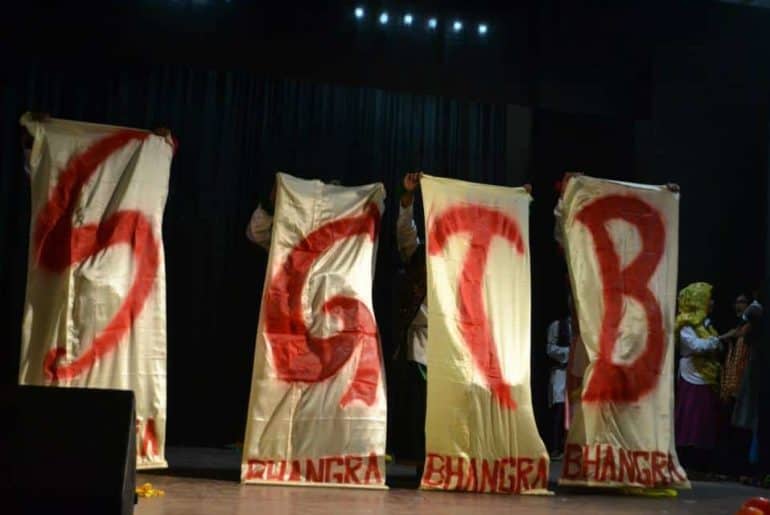
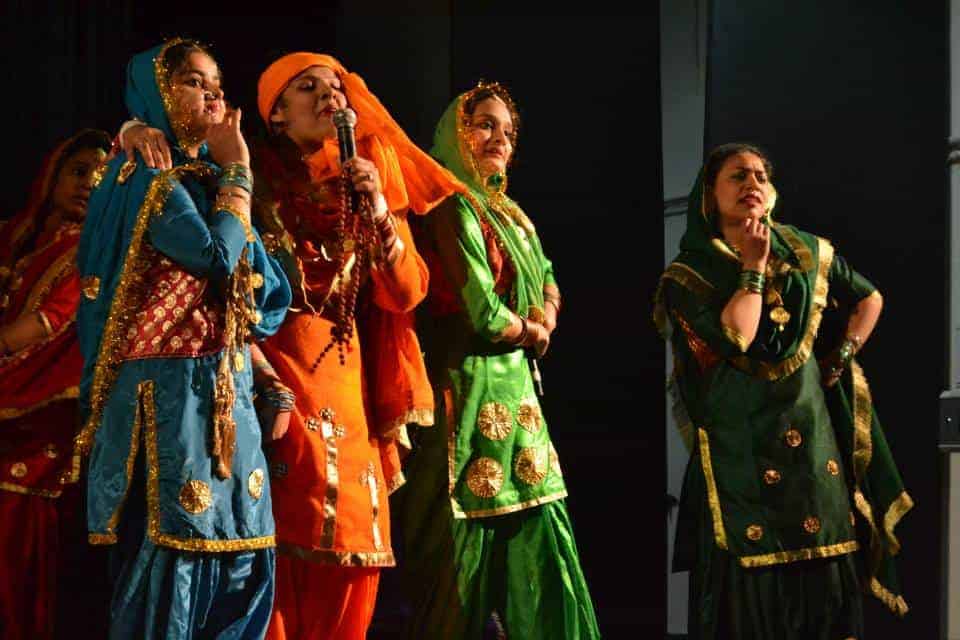
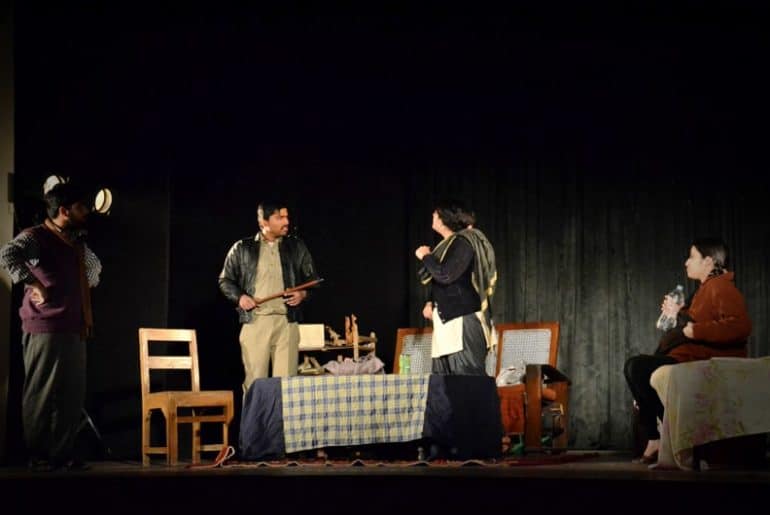

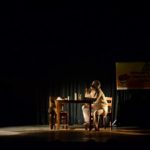

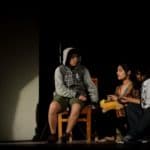

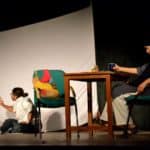
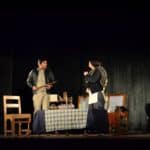



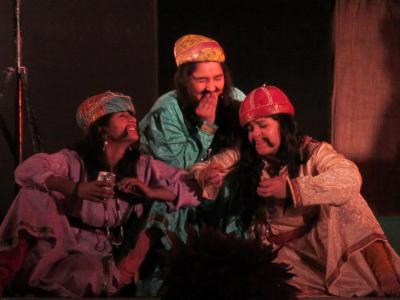
 Anukriti – The Hindi Dramatics Society of Miranda House, organised their Annual Theatre Fest – Rangotsav on the 19th and 20th of March. A joint collaboration with the National School of Drama, this two-day fest was a great success.
Day – 1 involved the staging of Anukriti’s annual full length production, a tradition since 1957. The play was called ‘Seedhiyaan’, which was directed by Shri Ramji Bali, an alumnus of the National School of Drama. It was performed twice in one-day and saw an attendance of over 500 people with members of other DU dramatics societies in attendance. Set in the Mughal Era, the play was a successful satire on the existing norms of society, then and now.
Day – 2 saw the staging of the play, ‘Tamasha na Hua’. Written and directed by Bhanu Bharti, an eminent Indian theatre director and playwright, the play was enjoyed by all.
There were other notable personalities present, like Vishva Mohan (Secretary, Delhi Government, Department of Arts and Language), Harisuman Bisht (Secretary, Hindi Academy), Daya Prakash Sinha (Playwright, ‘Seedhiyan’),and Akshat Verma (Scriptwriter, Delhi Belly).
A result of the hard work and dedication of the Anukritians, the fest was spectacular and one which definitely satiated everyone’s hunger for thespian pursuits!
Akriti Gupta
Anukriti – The Hindi Dramatics Society of Miranda House, organised their Annual Theatre Fest – Rangotsav on the 19th and 20th of March. A joint collaboration with the National School of Drama, this two-day fest was a great success.
Day – 1 involved the staging of Anukriti’s annual full length production, a tradition since 1957. The play was called ‘Seedhiyaan’, which was directed by Shri Ramji Bali, an alumnus of the National School of Drama. It was performed twice in one-day and saw an attendance of over 500 people with members of other DU dramatics societies in attendance. Set in the Mughal Era, the play was a successful satire on the existing norms of society, then and now.
Day – 2 saw the staging of the play, ‘Tamasha na Hua’. Written and directed by Bhanu Bharti, an eminent Indian theatre director and playwright, the play was enjoyed by all.
There were other notable personalities present, like Vishva Mohan (Secretary, Delhi Government, Department of Arts and Language), Harisuman Bisht (Secretary, Hindi Academy), Daya Prakash Sinha (Playwright, ‘Seedhiyan’),and Akshat Verma (Scriptwriter, Delhi Belly).
A result of the hard work and dedication of the Anukritians, the fest was spectacular and one which definitely satiated everyone’s hunger for thespian pursuits!
Akriti Gupta